
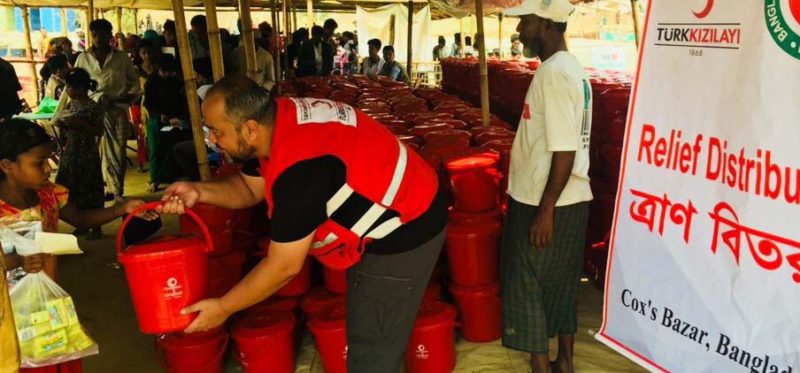
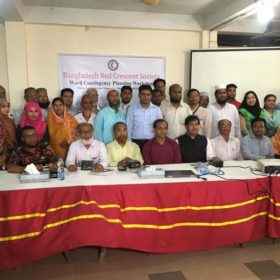
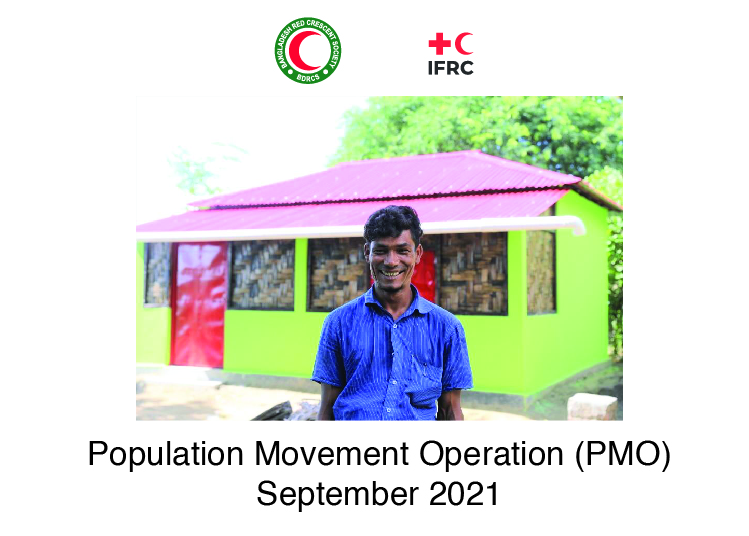
Bangladesh Red Crescent Society (BDRCS) continues a grand humanitarian response namely Population Movement Operation (PMO) for the displaced Myanmar People (FDMN) in Cox’s Bazar since 2017. A Lesson Learnt Workshop to plan for next four years (2022-2024) was held early of September 2021. To ensure the live-saving assistance, developing infrastructure, enhancing disaster resilience, health &
Author Archives: Communication Department
03
Nov
Nov
Though MRRO launched on 1992, Bangladesh Red Crescent Society started operation since 1978 for the Rohingya Crisis, providing lifesaving support from 1992, which was limited to Registered camps. After the latest influx of August 2017, BDRCS has expanded the interventions on all 16 UNHCR managed camps to provide NFI and LPG support along with Cash
26
Oct
Oct
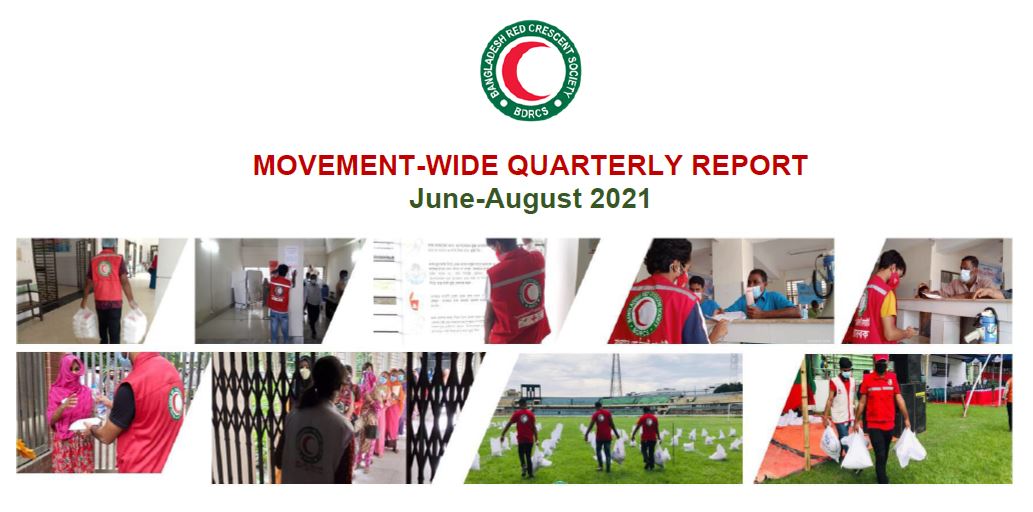
The report covers the information of June-August 2021 which is the second quarterly report of this year. Due to COVID-19 pandemic situation, different reports on COVID-19 response were prepared and published in Jan-May 2021. This report captured the status of the regular activities – long terms programs and other response operations, including COVID-19 response implemented

03
Oct
Oct
BDRCS continued providing the humanitarian lifesaving assistances and to the displaced Myanmar people (FDMN) with the support of IFRC and currently 11 Participating National Societies (PNSs). The COVID-19 pandemic, deepened by the effects of devastating monsoon flash flood, and has exacerbated the suffering and humanitarian needs of the camp and host communities.
13
Sep
Sep
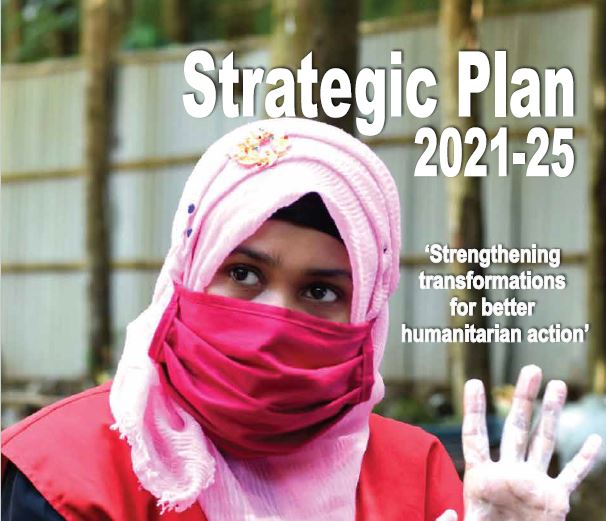
Bangladesh Red Crescent Society is delighted to share its Strategic Plan for the period 2021-2025 which outlines the mission, vision, and strategic goals. The process of formulating a new strategic plan at BDRCS has given us the opportunity to take stock on past success and failures, to determine our vision and future goals in light
07
Sep
Sep
Nowadays, heat waves are in rising trend and a large number of people are being exposed of the hazard as there is lack of knowledge of heat waves and its cascading effects. As a leading organization in managing the disaster risk, BDRCS is expanding its FbF/A arena to address the impacts of heat waves in

31
Aug
Aug
In collaboration with the Government, BDRCS as an ‘Auxiliary to the Government’ keeps continued its humanitarian assistances with the support of the IFRC, UNHCR, ICRC and other RCRC National Partners Societies (PNSs) in coordination with the RRRC, Civil Surgeon, other Government sectors and humanitarian agencies.
24
Aug
Aug
National Society Development (NSD) is one of the key focused and priority areas of the International Federation of Red Cross and Red Crescent Societies (IFRC), and it has been reflected in the IFRC Strategy 2030 and Agenda for Renewal. Accordingly, the IFRC in Bangladesh have prioritized the NSD support for Bangladesh Red Crescent Society (BDRCS),
18
Aug
Aug
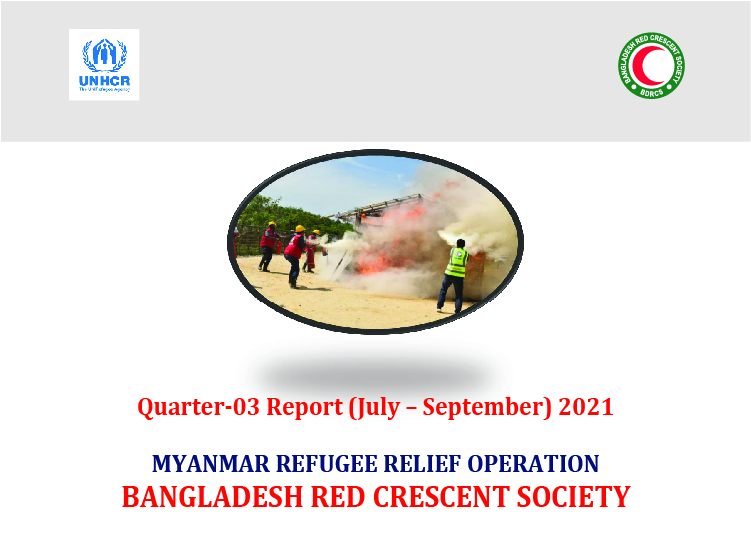
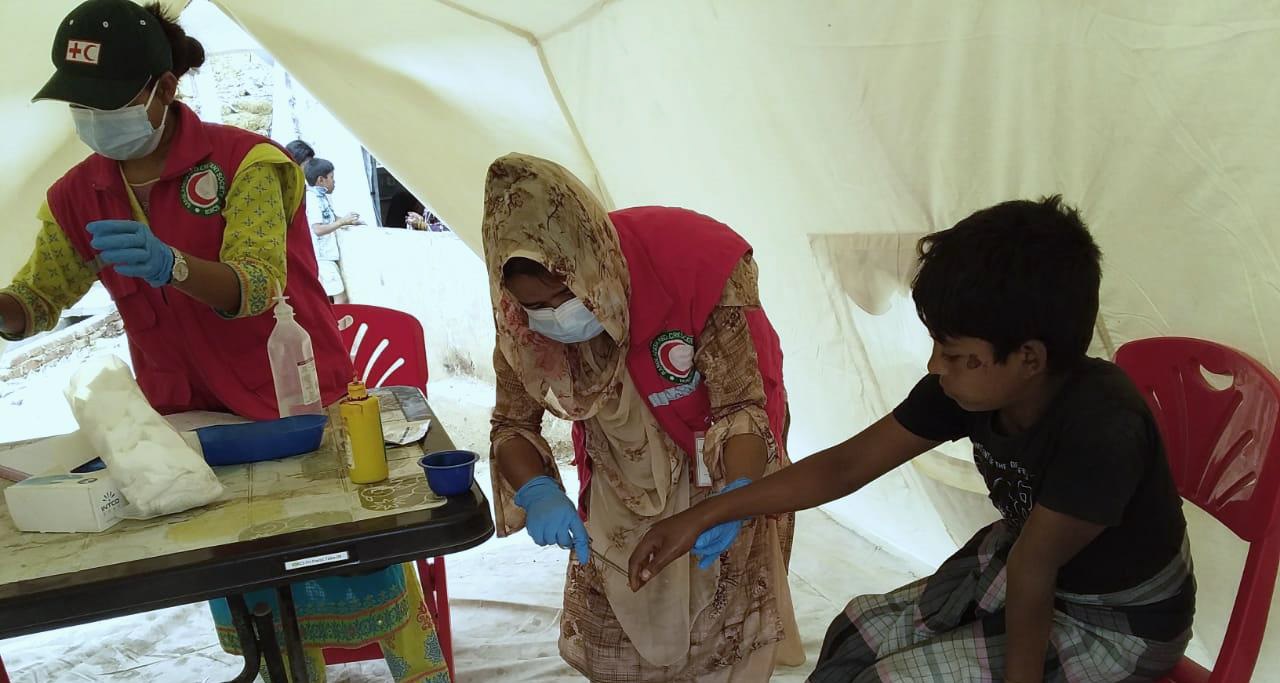
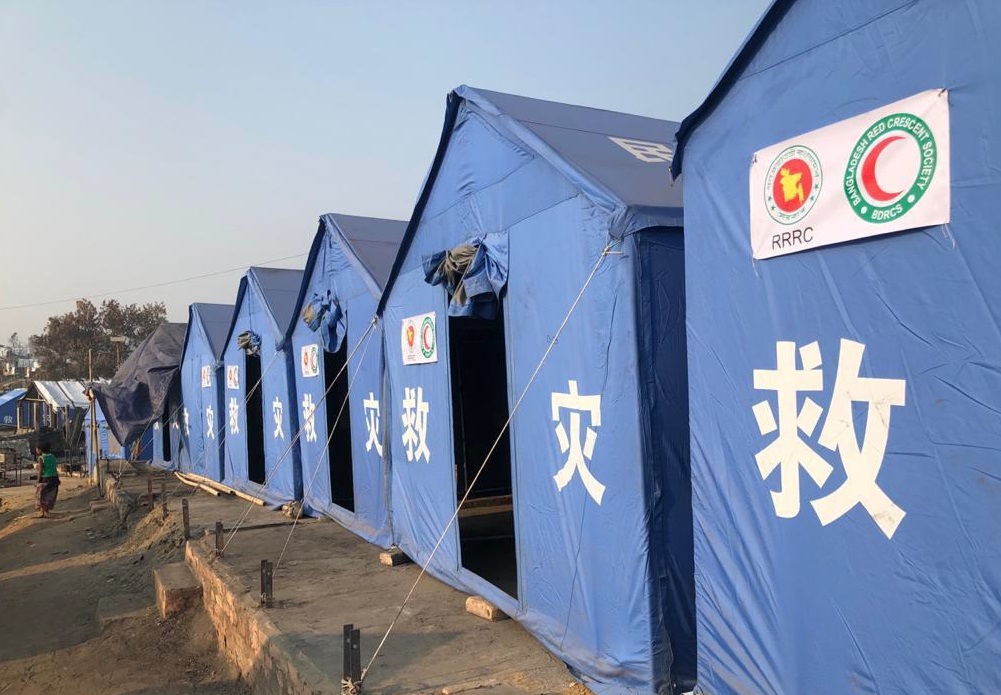
A total of 4609 people provided with inpatients department services, pediatric, maternity, delivery outdoor patients and lab services psychosocial support, family planning and so on. Of these, 4162 people are from camp settlement and 447 of host community. PMO Health is planning to provide an orientation on ‘Fire Safety’ with ensuring fire safety equipment in
18
Aug
Aug
BDRCS, as an Auxiliary to the Government, keeps continued its humanitarian assistances with the support of the UNHCR, IFRC, ICRC and other RCRC National Societies in collaboration with the RRRC, Civil Surgeon, relevant UN agencies and other stakeholders. May 2021 was the month of cyclone YAAS associating with heavy rainfall. During this time all BDRCS’