
Climate Change Adaptation (CCA) Project in Narayanganj
Background
Bangladesh is one of the most climate-vulnerable countries in the world, ranked seventh globally. As a low-lying deltaic country intersected by the Ganges, Brahmaputra, and Meghna rivers and bordered by the Bay of Bengal, over half of Bangladesh’s landmass sits less than six meters above sea level. Climate change has intensified the frequency and severity of natural hazards such as urban flooding, riverbank erosion, salinization, heatwaves, and cyclones threatening livelihoods, health, particularly for the poorest and most marginalized.
Narayanganj, a rapidly urbanizing industrial city adjacent the Dhaka, faces risks from climate change, unplanned urban growth, and environmental degradation. Many of the city’s informal settlement dwellers are climate migrants who live without access to clean water, sanitation, or secure housing. Frequent waterlogging, heat wave, poor waste management, and insufficient livelihood opportunities severely impact their safety, dignity, and wellbeing.
A comprehensive needs assessment conducted by BDRCS and British Red Cross in 2021–22 revealed critical issues in five informal settlements in Narayanganj. Key concerns include frequent flooding, inadequate WASH infrastructure, environmental degradation, air and water pollution, and extreme heat events—disproportionately affecting women, children, the elderly, and persons with disabilities.
CCA Project Brief
CCA Case Story
Project Summary
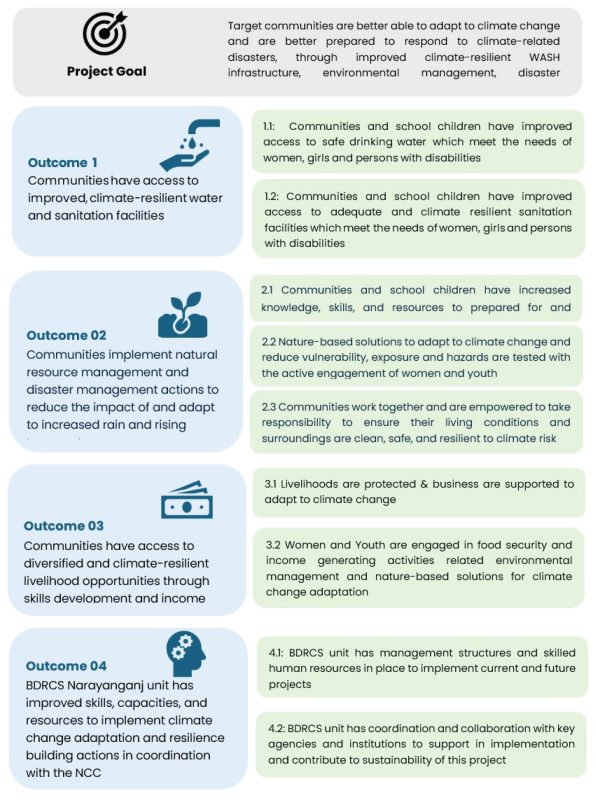
To address these urgent challenges, the Bangladesh Red Crescent Society (BDRCS), with the support of the British Red Cross (BRC), has launched the Climate Change Adaptation (CCA) Programme in Narayanganj. The goal of the CCA project is to ensure Target communities are better able to adapt to climate change and are better prepared to respond to climate-related disasters, through improved climate-resilient WASH infrastructure, environmental management, disaster management and livelihood opportunities. The project is designed with strong cross-cutting themes of gender, diversity, and inclusion, ensuring equitable access to services and empowering marginalized groups, particularly women and youth, in resilience-building processes.
Key Intervention Areas
- WASH: Improving access to safe water, sanitation, hygiene, and waste management through climate-resilient infrastructure and behaviour change.
- Environmental Management: Promoting nature-based and low-cost solutions such as green spaces, sustainable drainage systems, and permeable pavements to reduce flooding and heat.
- Disaster Risk Reduction: Enhancing community preparedness for floods and heatwaves through early warning systems and local capacity building.
- Livelihoods: Supporting sustainable and risk-resilient income-generating activities.
- Strengthening Institutional Capacity: Strengthening BDRCS and local authorities’ capacity for climate adaptation and ensuring sustainability of interventions.
Graphical Location
The CCA project is being implemented in 03 communities named Sumilpara, Char Sumilpara and Rishi Para (Ward number 6 and 16) of Narayanganj City Corporation. These communities are among the most climate-vulnerable in the district, characterized by poor infrastructure, low-lying topography, and high exposure to floods, heatwaves, and environmental hazards.
Key Achievement to Date
- Formed Community Disaster Management Committees, Women Squads, across all target communities.
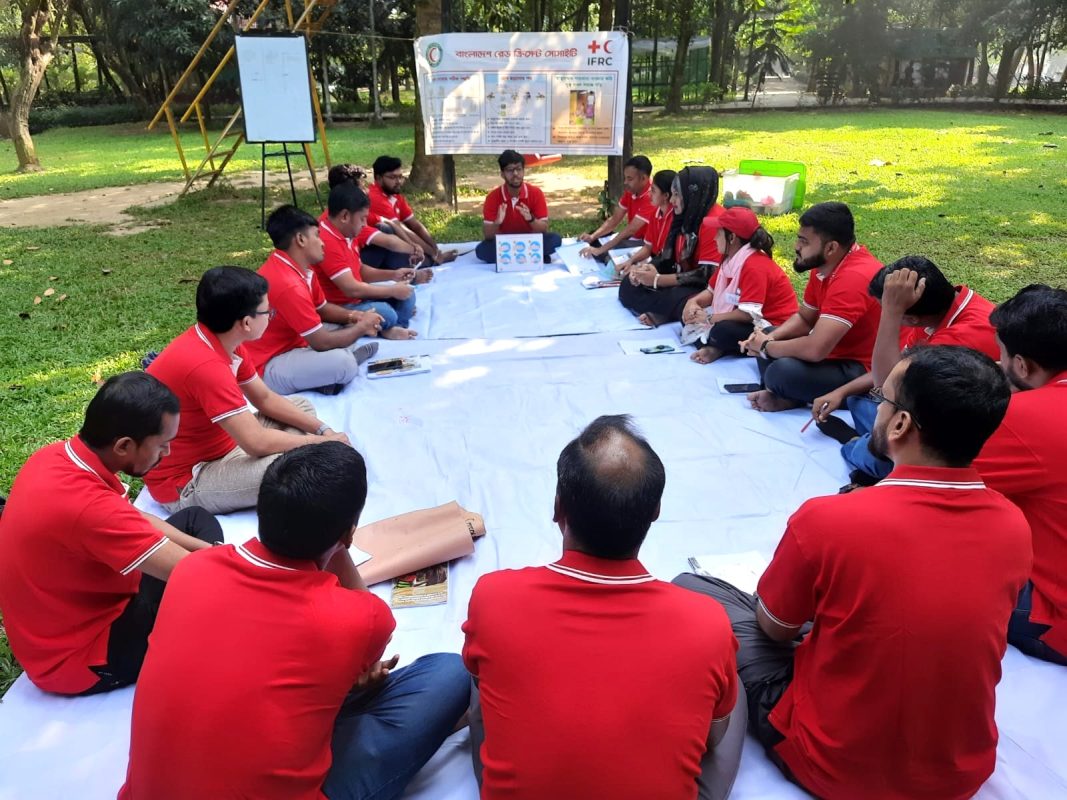
- Conducted training and orientations on First Aid, CEA, Nature based Solutions, PHAST, Climate Change Adaptation, Water Safety Plan to strengthen the capacity of community members and RCY Members.
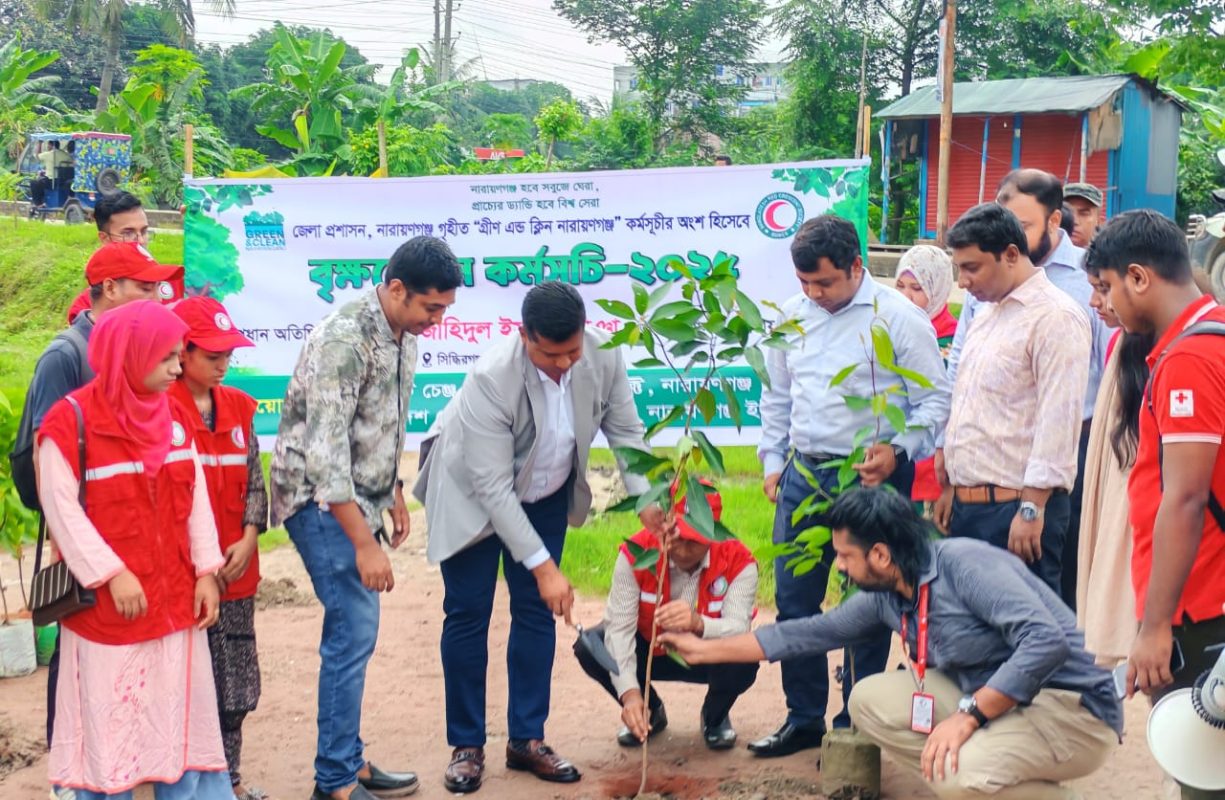
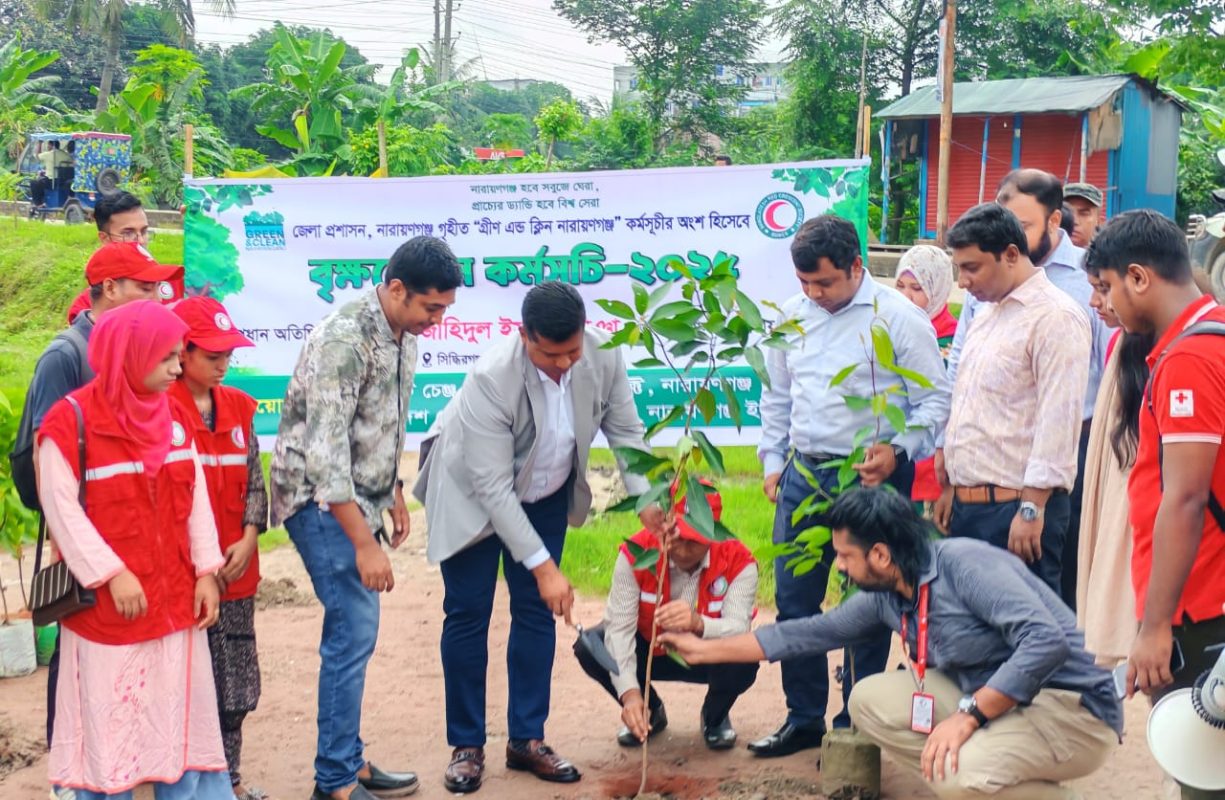
- Distributed over 4,000+ tree saplings across communities and institutions, supported by gardener training to ensure care and growth.
- Developed a 1300 RFT long community linkage drainage system to improve climate-resilient infrastructure.
- Constructed 04 community and 01 school-based WASH blocks with PWD friendly features. Over 3,000 community members, including women, children, and persons with disabilities, now have access to safe, clean, and inclusive WASH facilities.
- Installed Reverse Osmosis (RO) water filtration system at FPO School to ensure safe drinking water for hundreds of students.
- Conducted water quality testing of 90 sources in Sumilpara, Char Sumilpara and Rishipara to map and mitigate contamination risks.
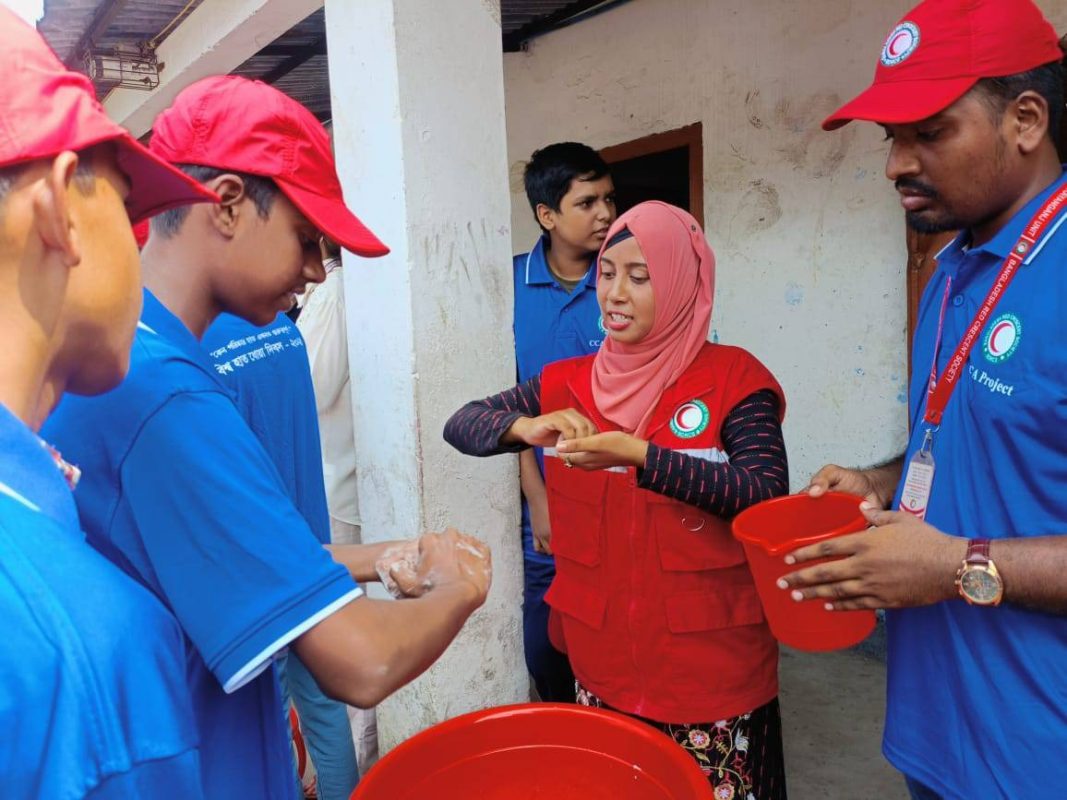
- Distributed 2,800 hygiene kits at the community level to promote safe hygiene practices.
- Organized community clean-up campaigns using a Cash-for-Work model to incentivize environmental stewardship.
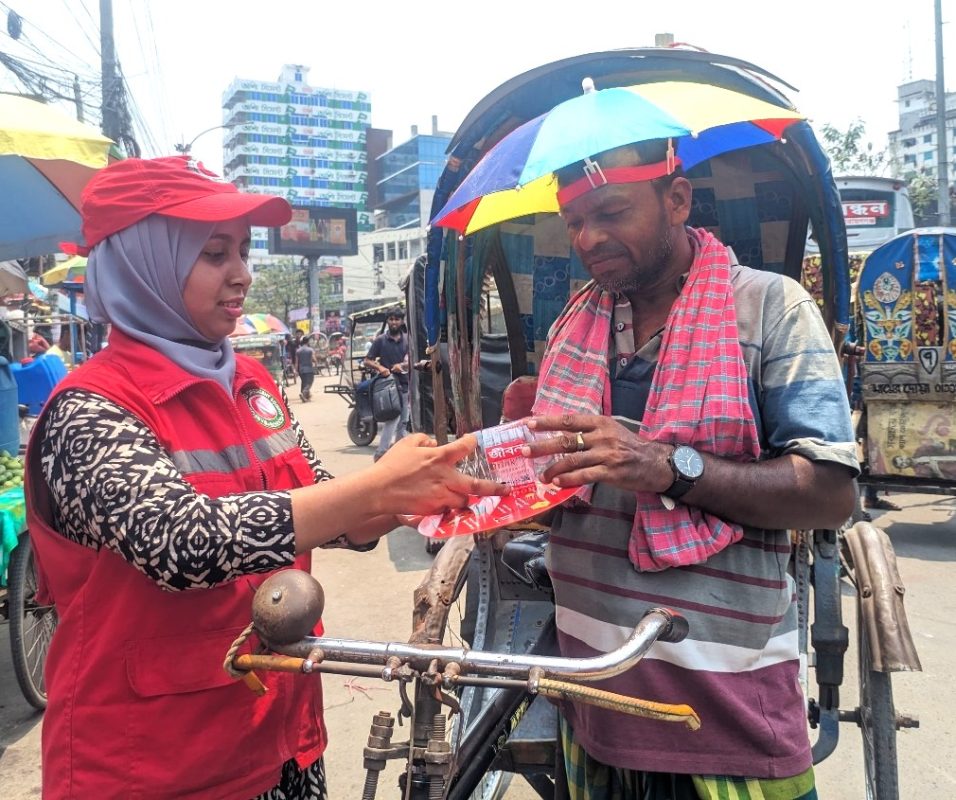
- Conducted heatwave awareness campaigns by distributing leaflets, safe drinking water, and ORS during peak temperatures.
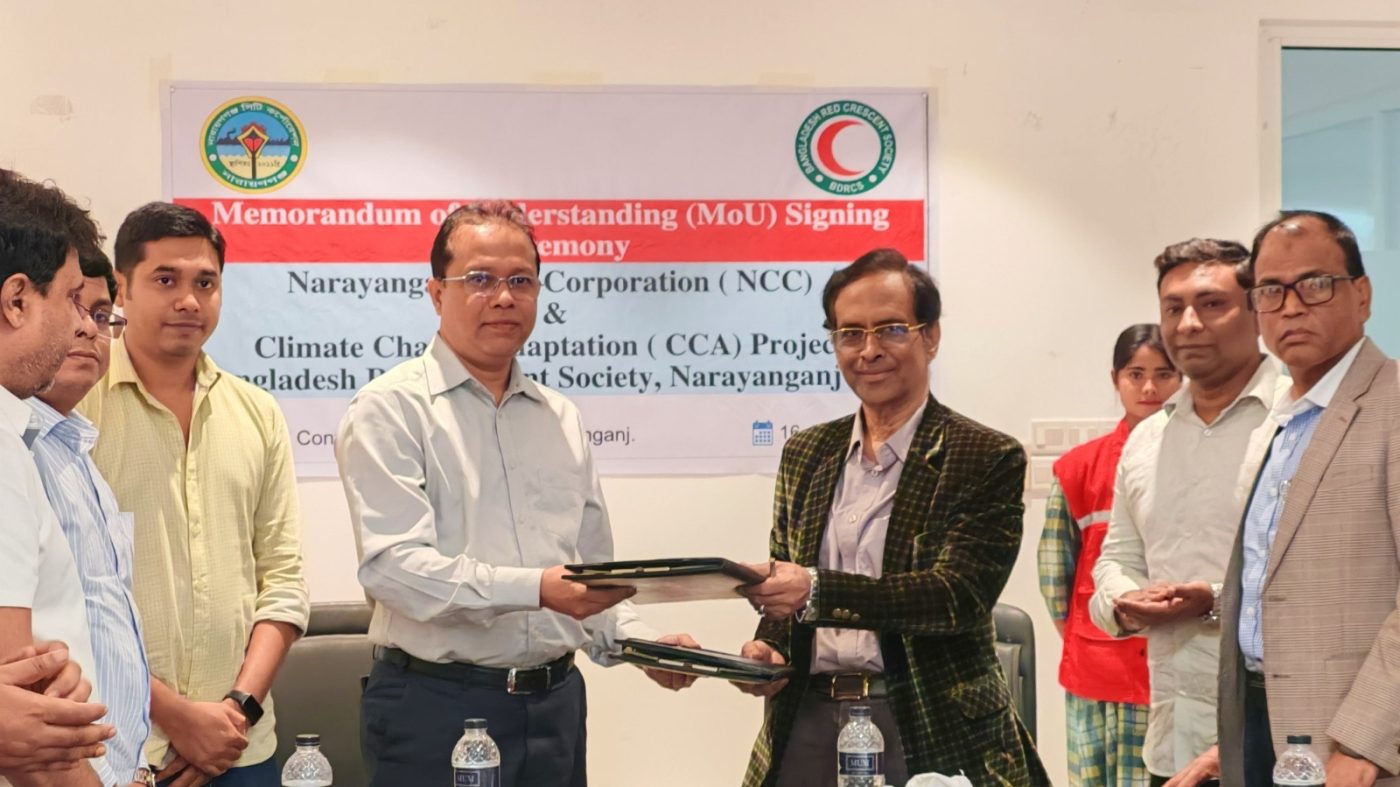
- Signed a Memorandum of Understanding (MoU) with Narayanganj City Corporation (NCC) to ensure aligned implementation and future scalability.