
Author Archives: Communication Department

Apr
BDRCS Barishal Unit office arranged a project kick off workshop for the UKAID Match funded Livelihood and DRR Project on 31 March 2021 at Grand Park Hotel of Barishal. Civil Surgeon of Barishal and Assistant Police Commissioner of Barishal were present as guests in the workshop. Among others, representatives from different government and city corporation
Mar
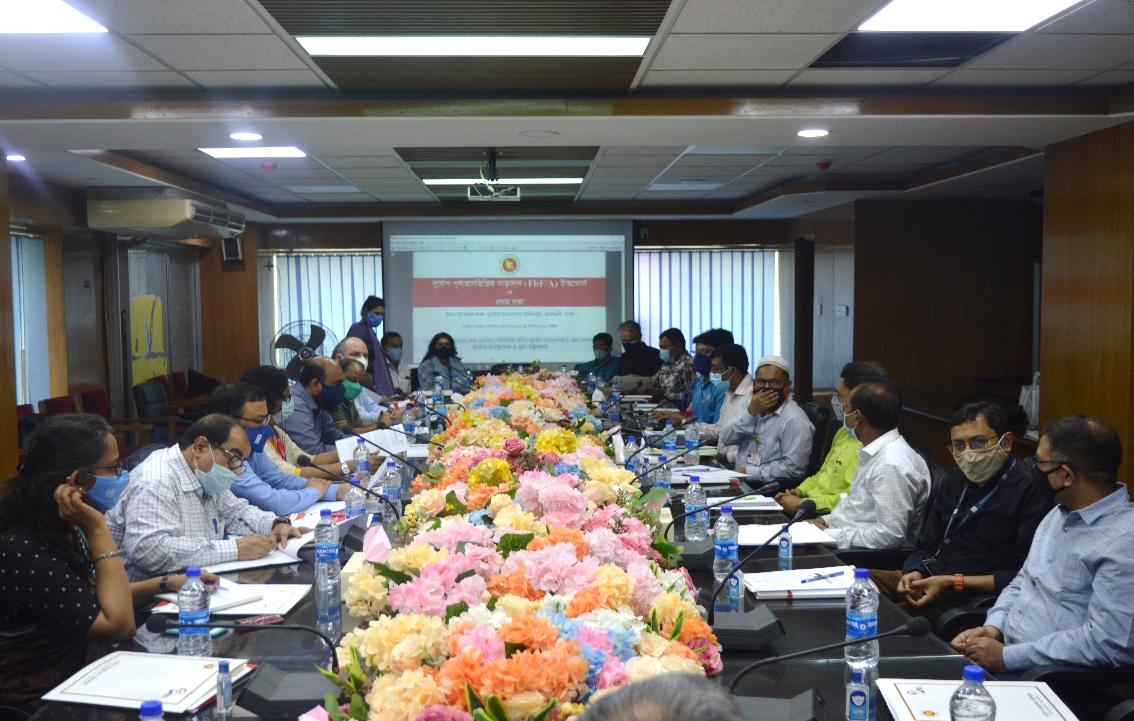
The most awaited meeting of the Forecast Based Financing/Action (FbF/A) Taskforce Committee of the Standing Orders on Disaster was held on Tuesday, 15 March 2021 at the Conference Room of Department of Disaster Management of the Ministry of Disaster Management and Relief. As leading organization of the FbF Working Group, Bangladesh Red Crescent Society and
Mar
Download Annual Report
Feb
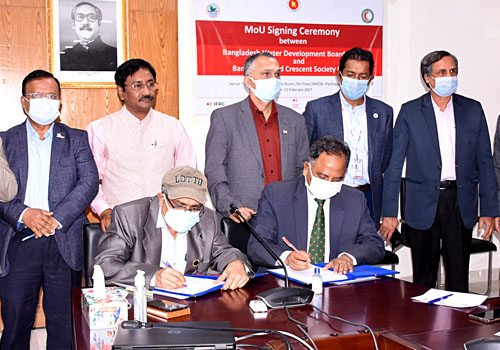
A Memorandum of Understanding has been signed between Flood Forecasting and Warning Centre (FFWC) of Bangladesh Water Development Board under the Ministry of Water Resources of the Government of Bangladesh and Bangladesh Red Crescent Society at the Conference Room of Pani Bhaban. Feroz Salah Uddin, Secretary General of Bangladesh Red Crescent Society signed on behalf
Oct
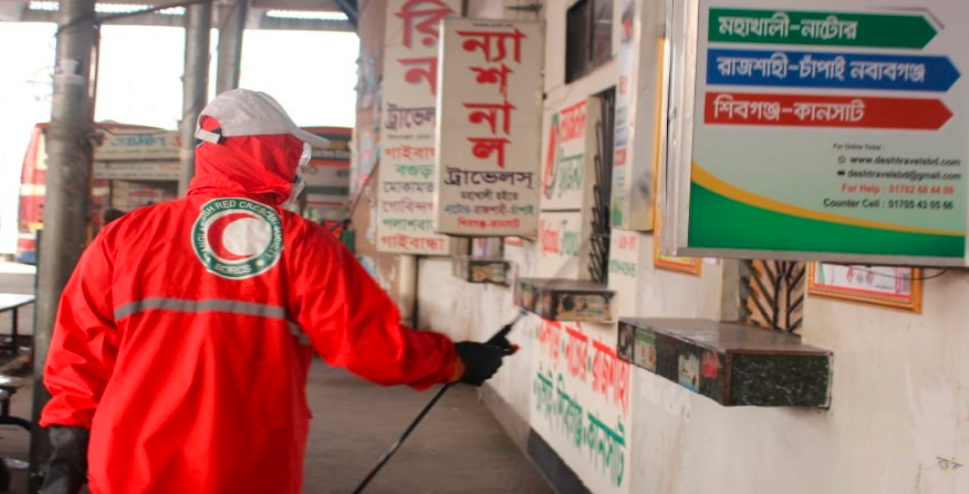
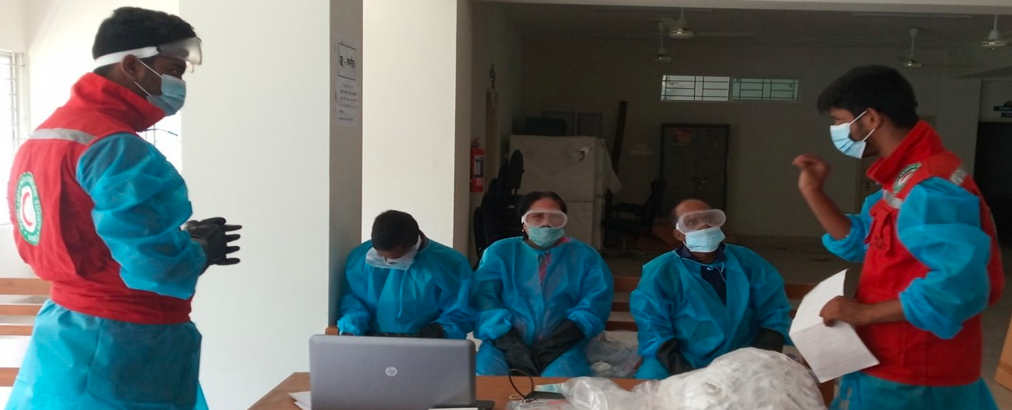
Shortly after the outbreak of the novel coronavirus turned into pandemic as declared by the World Health Organization (WHO), Bangladesh has been working to address it like all other countries around the globe. As an auxiliary workforce to public authority and country’s leading humanitarian organization, Bangladesh Red Crescent Society (BDRCS) is closely collaborating with the
Sep
Shortly after the outbreak of the novel coronavirus turned into pandemic as declared by the World Health Organization (WHO), Bangladesh has been working to address it like all other countries around the globe. As an auxiliary workforce to public authority and country’s leading humanitarian organization, BDRCS closely collaborating with the Government of Bangladesh for a
Aug
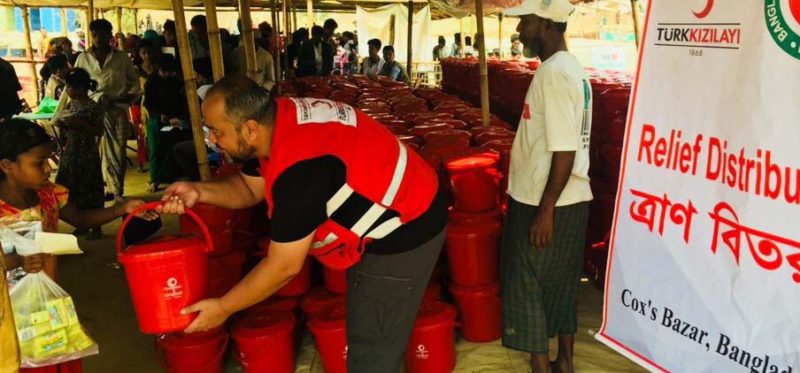
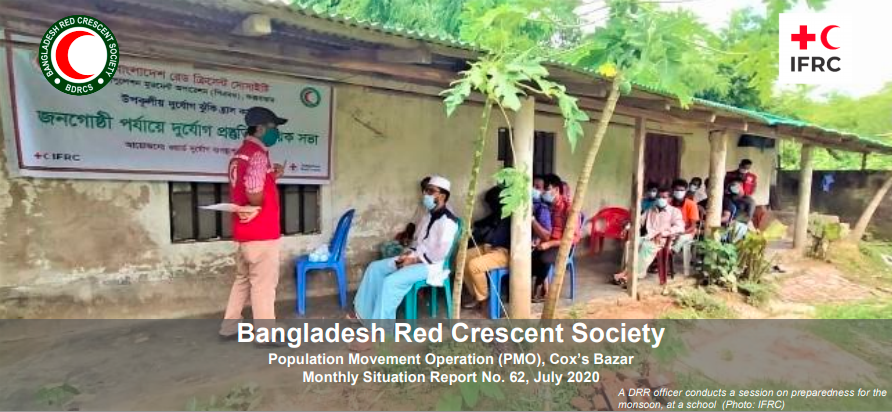
In July 2020, the frequent and heavy rainfall, along with COVID-19 transmissions continued in Cox’s Bazar district including the camp settlements. The government authorities extended the zonal system around the district town and host communities to restrict non-essential activities and contain the spread of the pandemic. The daily COVID-19 update of WHO Bangladesh reported that
Aug
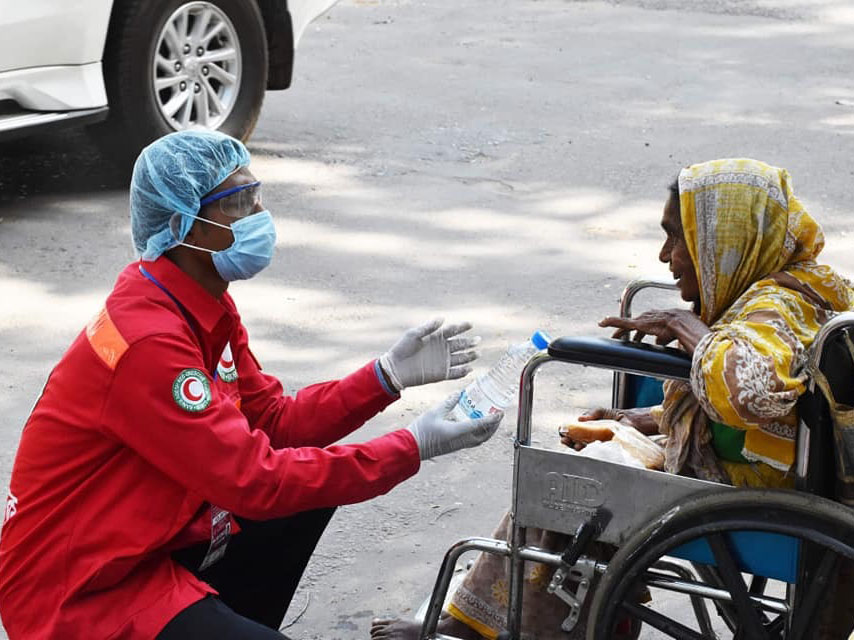
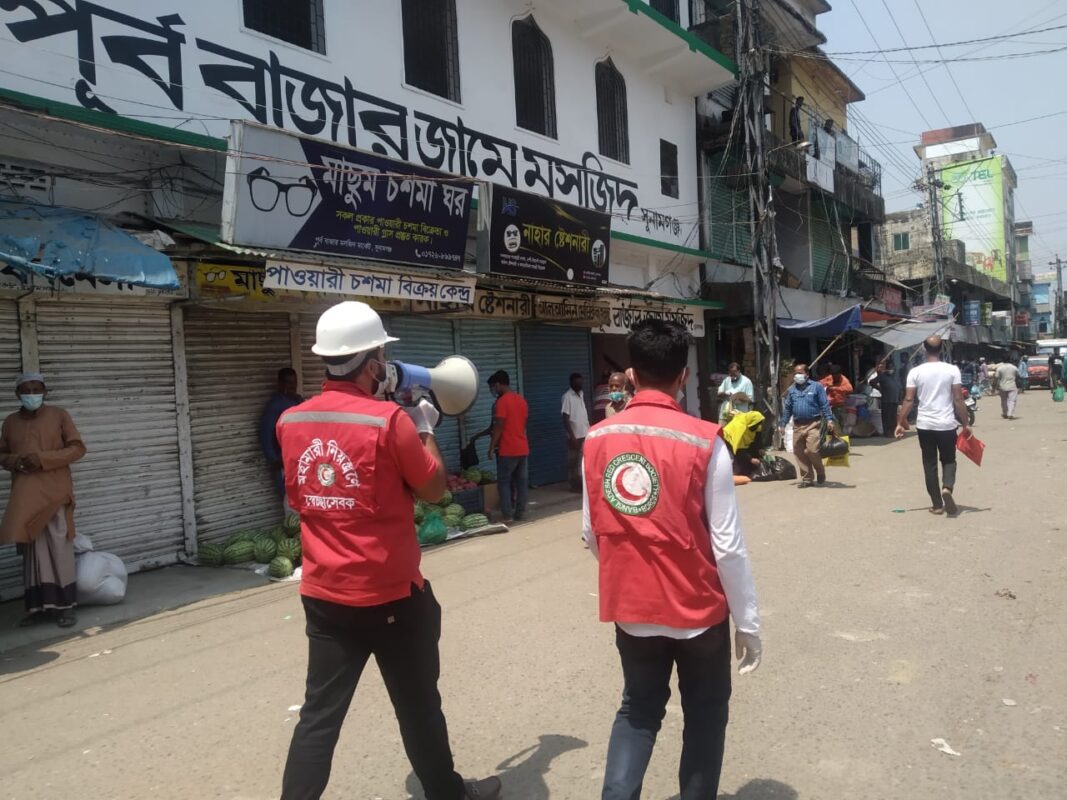
The Bangladesh Red Crescent Society (BDRCS) has been implementing numerous activities across the country as part of COVID-19 pandemic response initiatives. In addition, BDRCS also supplements some government initiatives as an auxiliary to the public authority in Bangladesh since March 2020. BDRCS utilizes its largest national volunteer network to implement those initiatives. BDRCS primarily identified