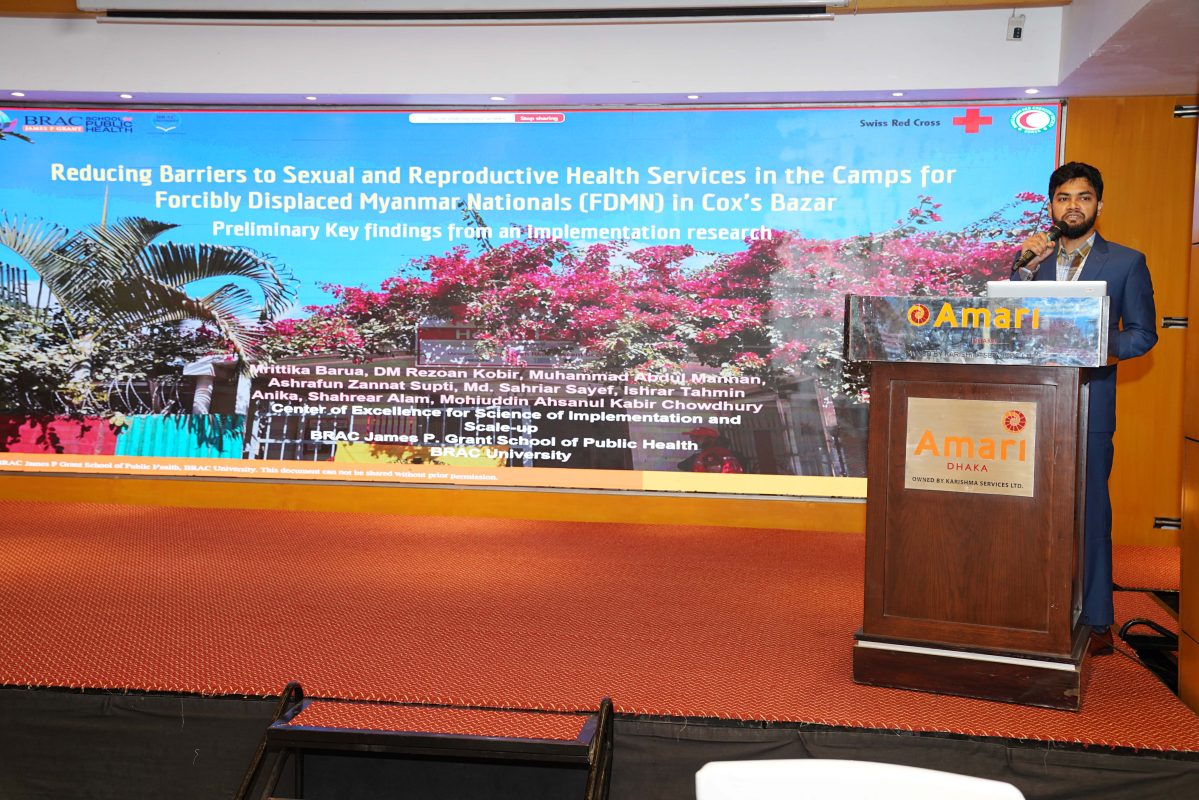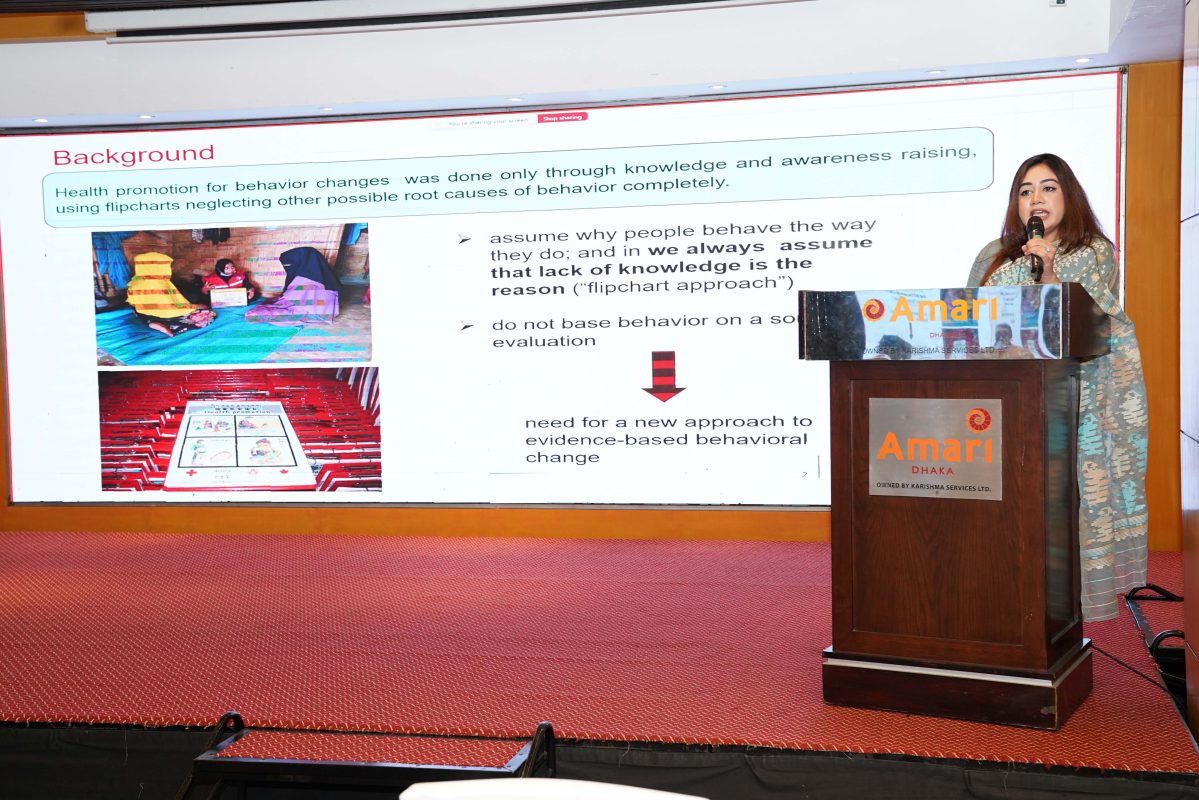
DHAKA, BANGLADESH, Thursday, June 4, 2026: Displaced Rohingya communities in Cox’s Bazar are experiencing vital advancements in sexual and reproductive health (SRH), driven by a significant rise in facility-based deliveries and broader family planning adoption. Preliminary findings disseminated on thursday at a research workshop show that targeted community interventions have successfully boosted institutional delivery rates, expanded contraceptive use, and progressively transformed local health-seeking behaviors.
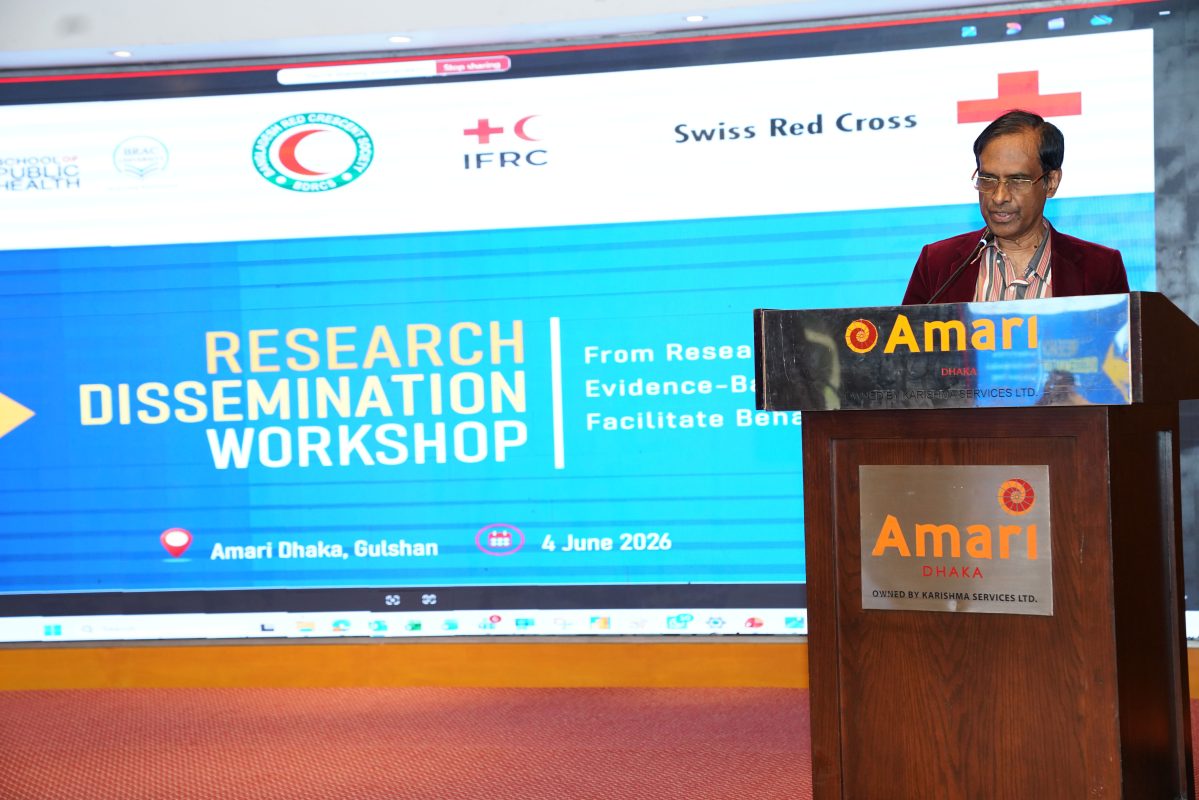
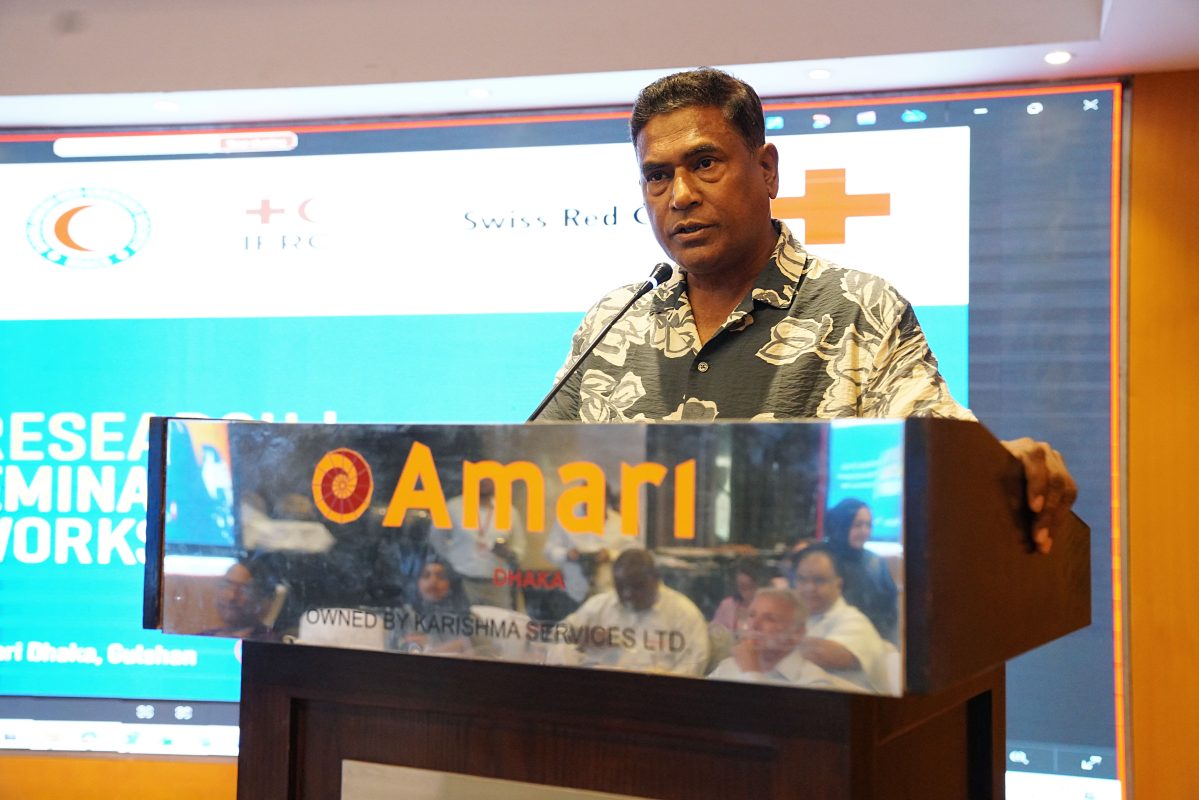
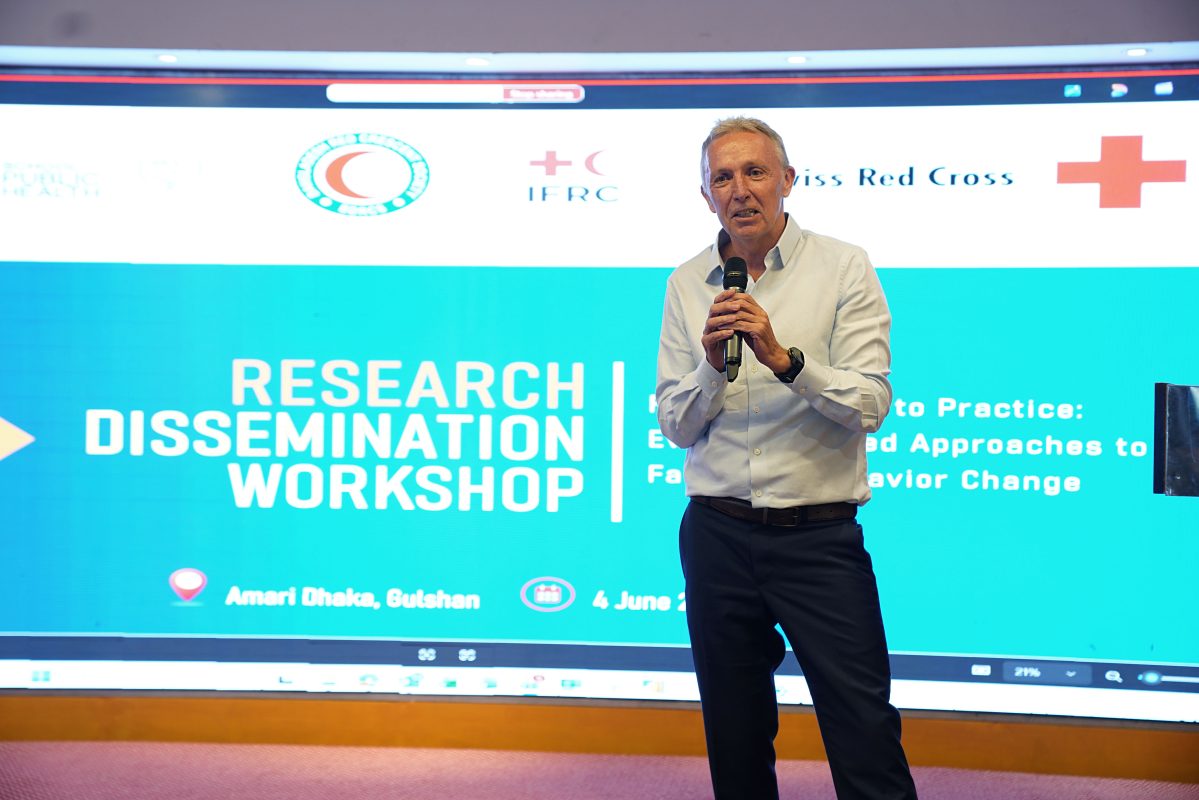
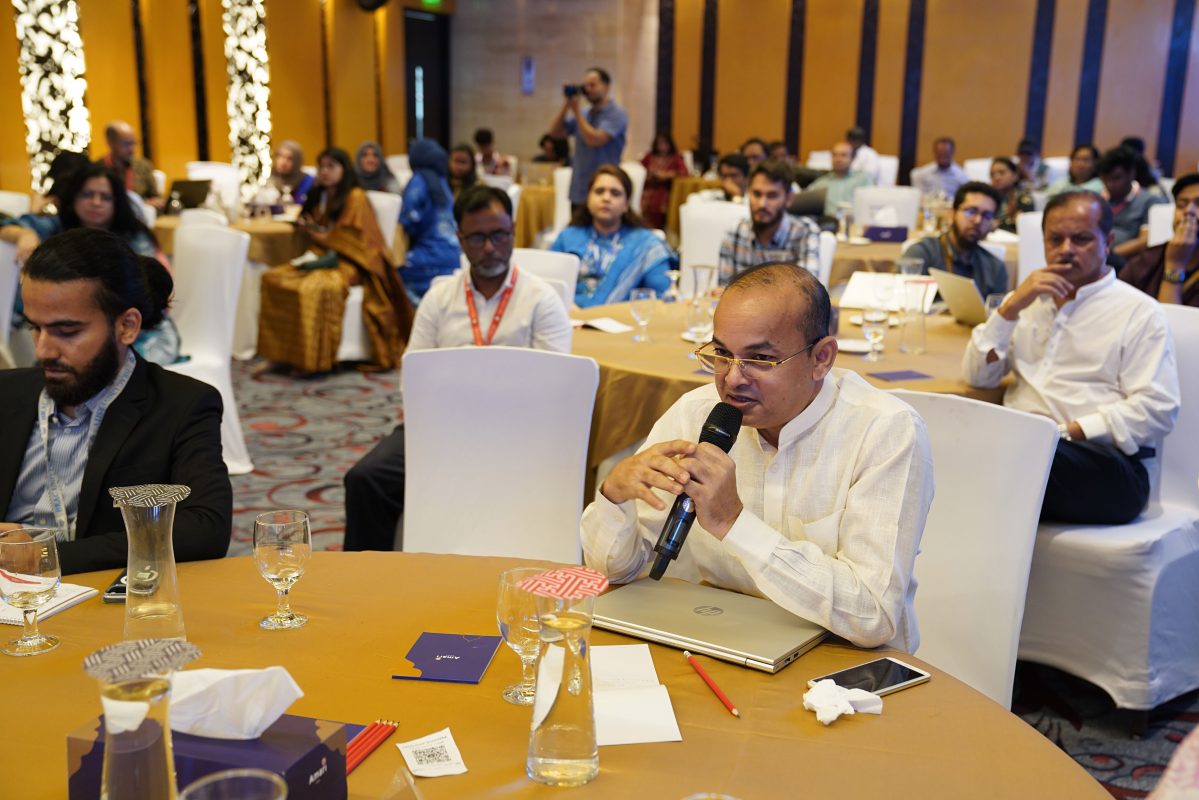
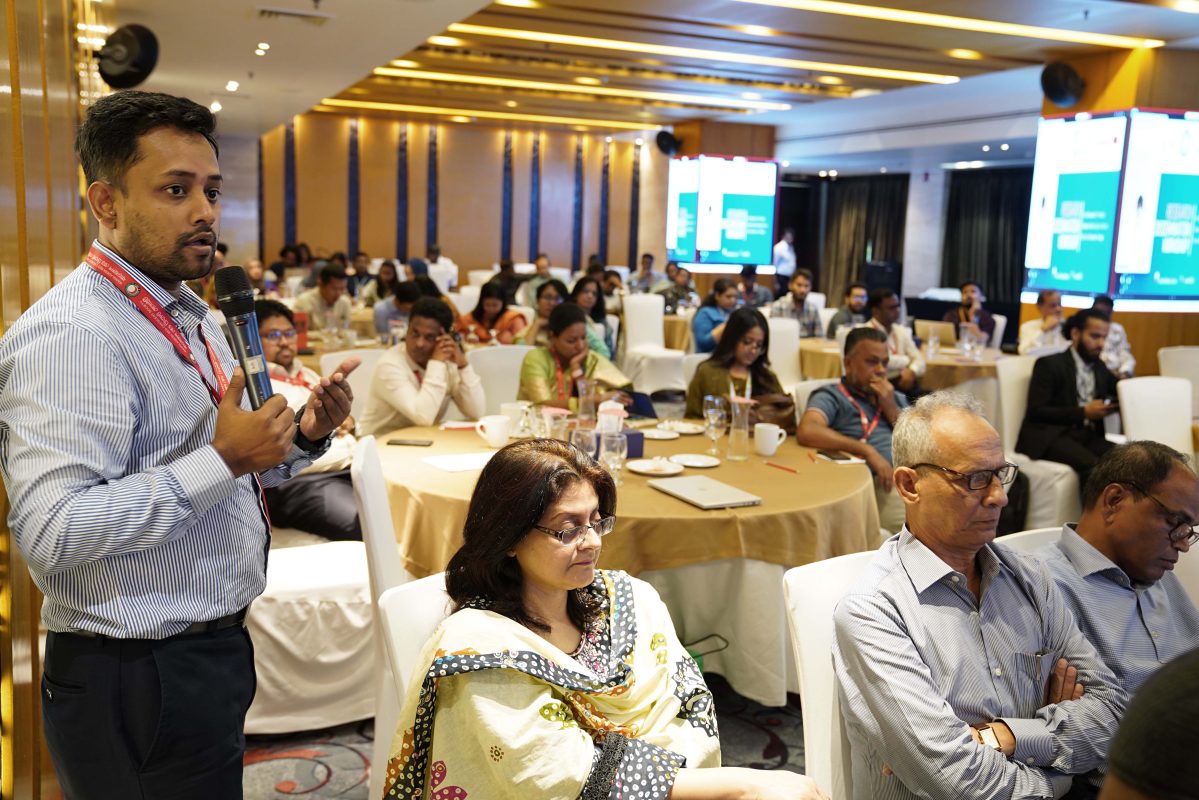
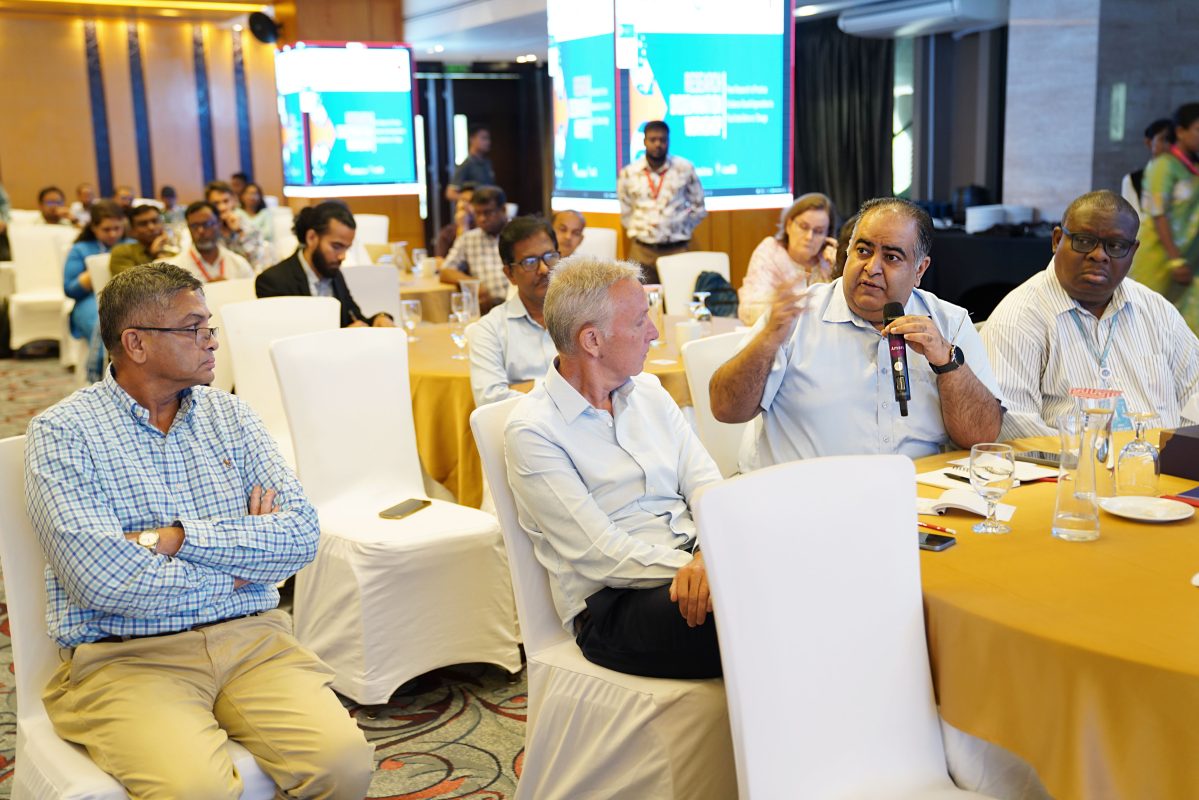
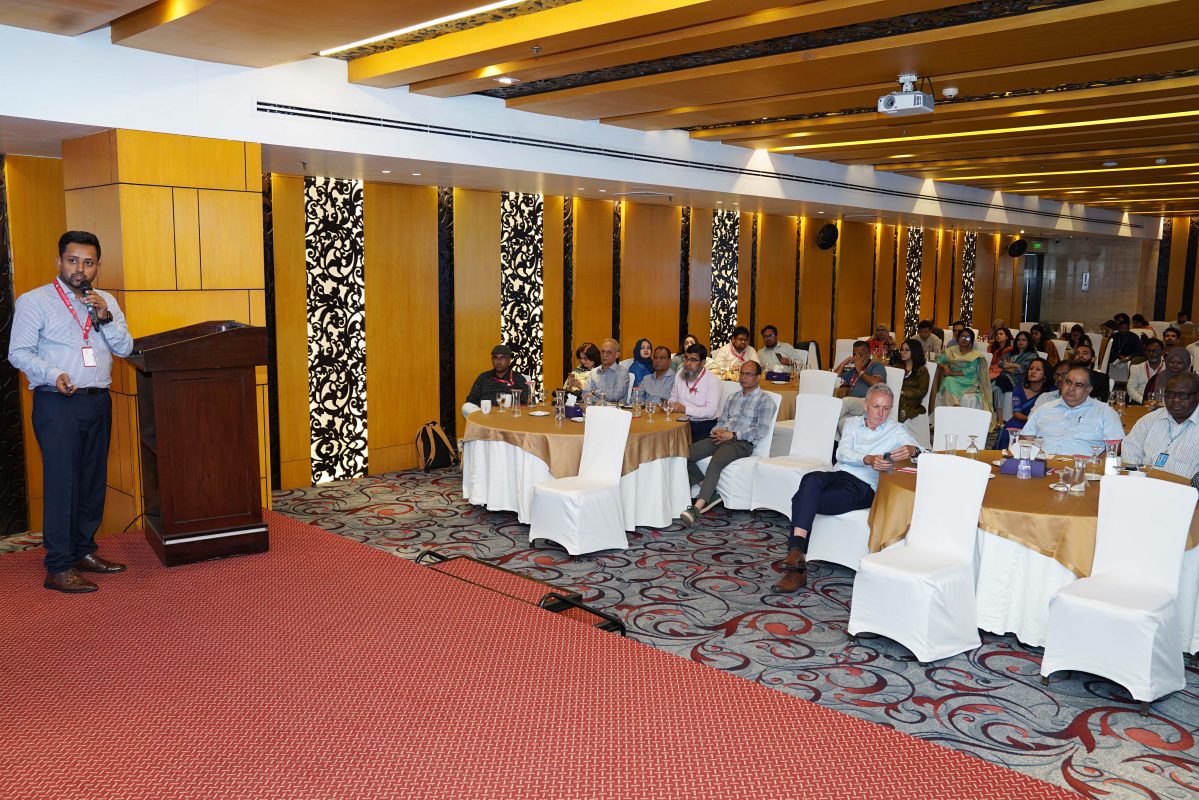
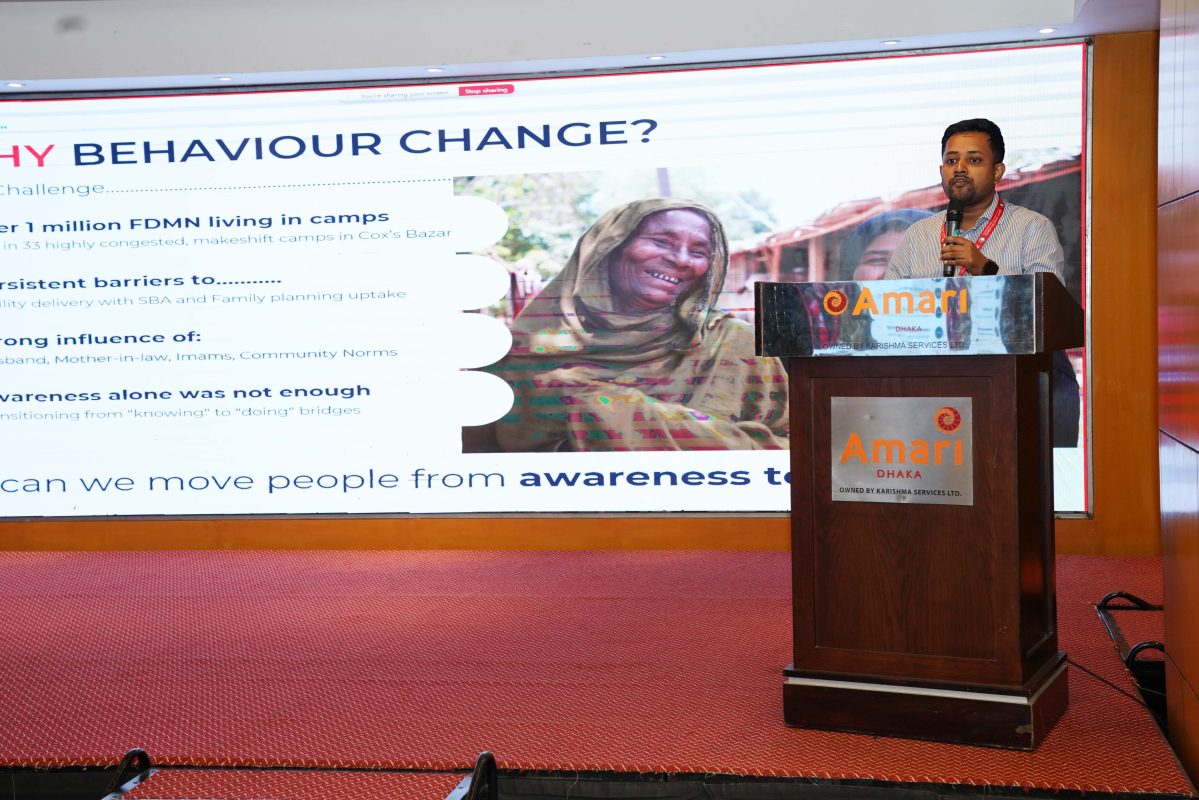
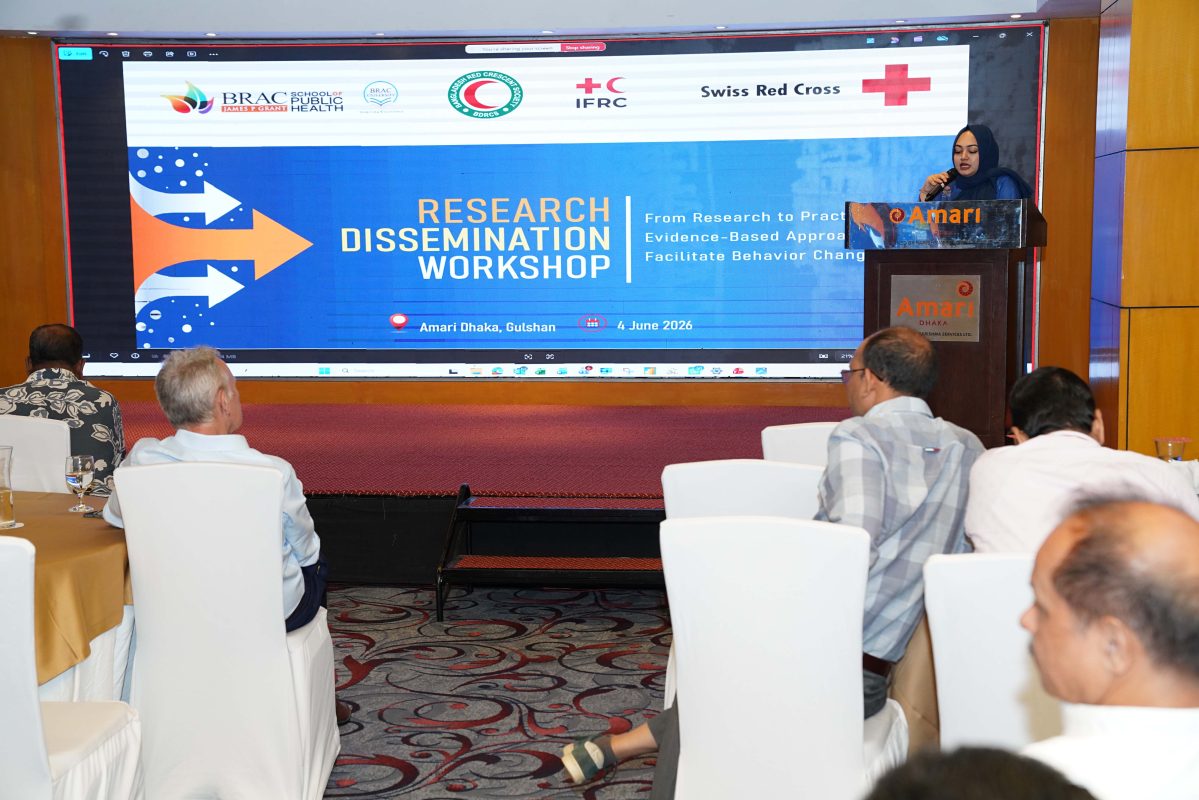
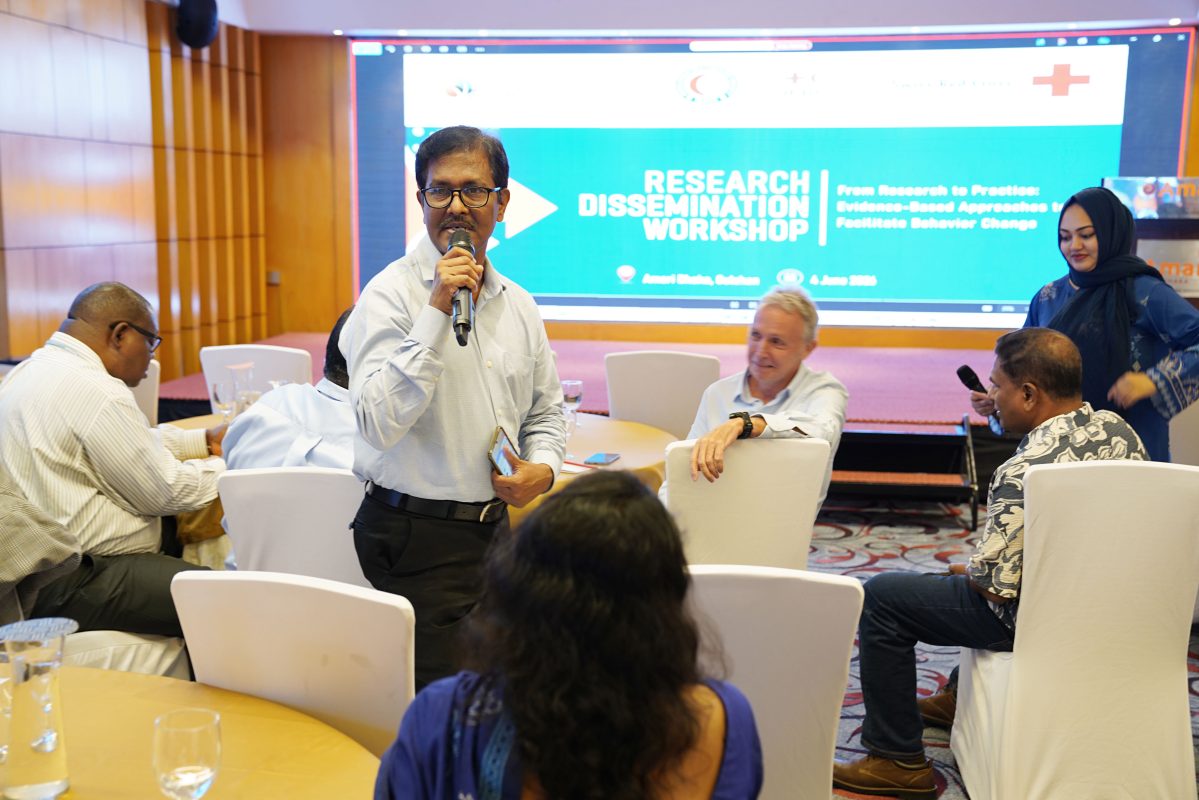
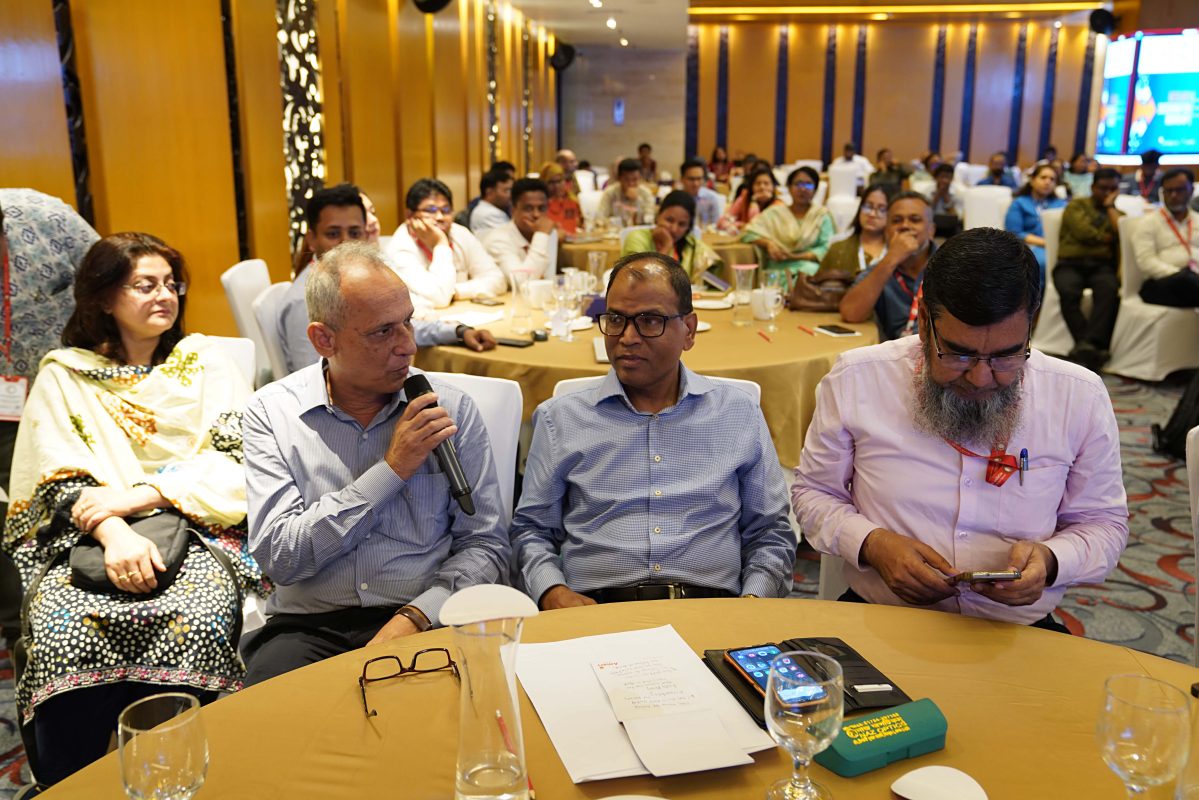
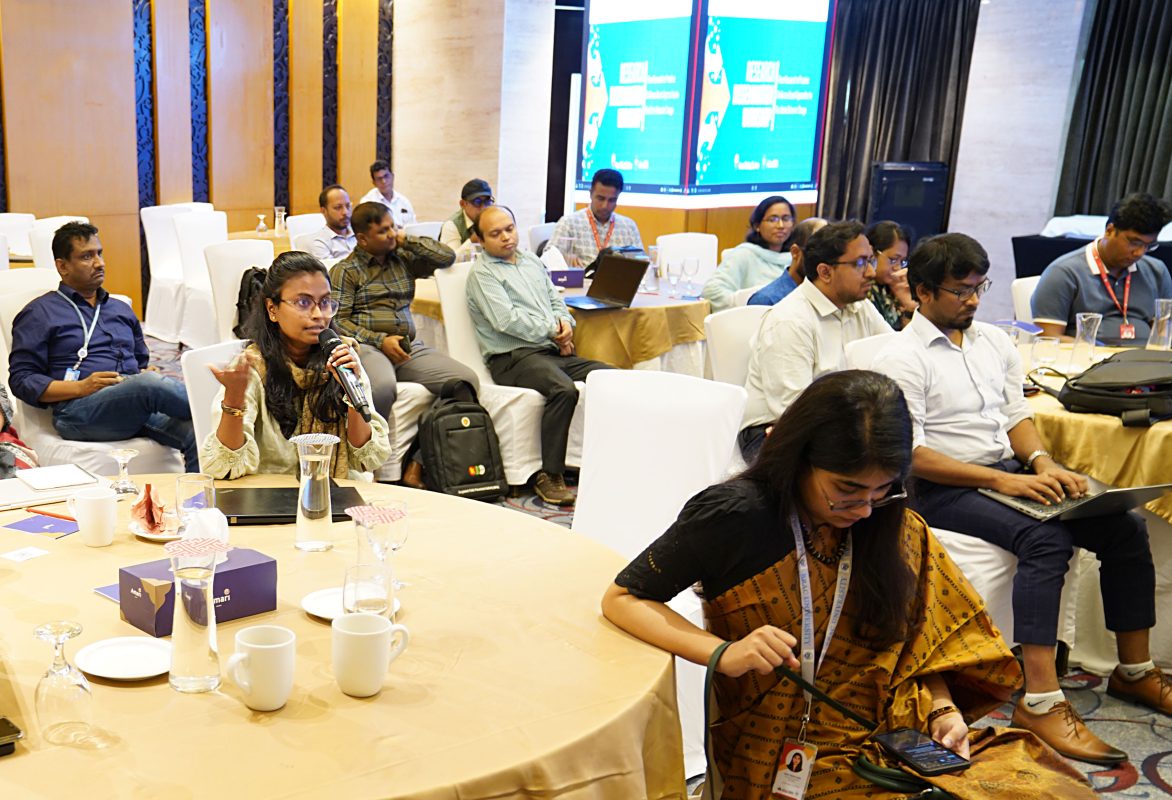
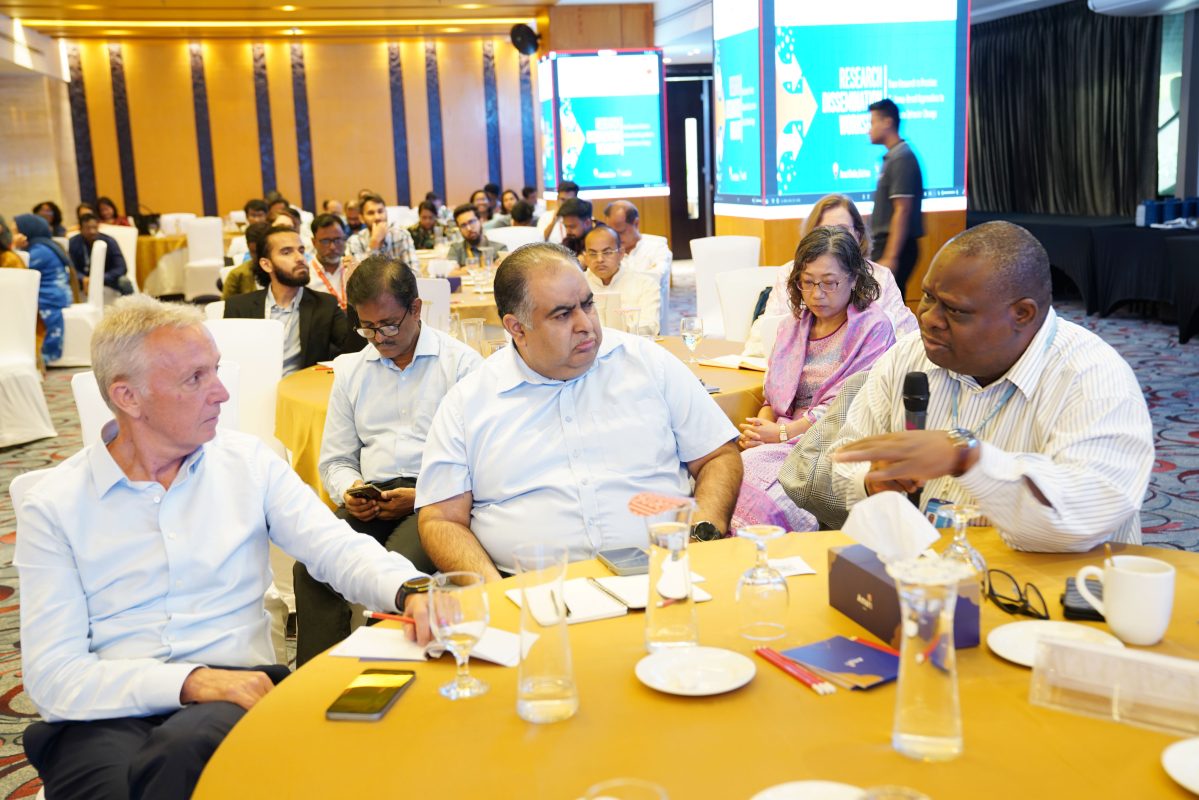
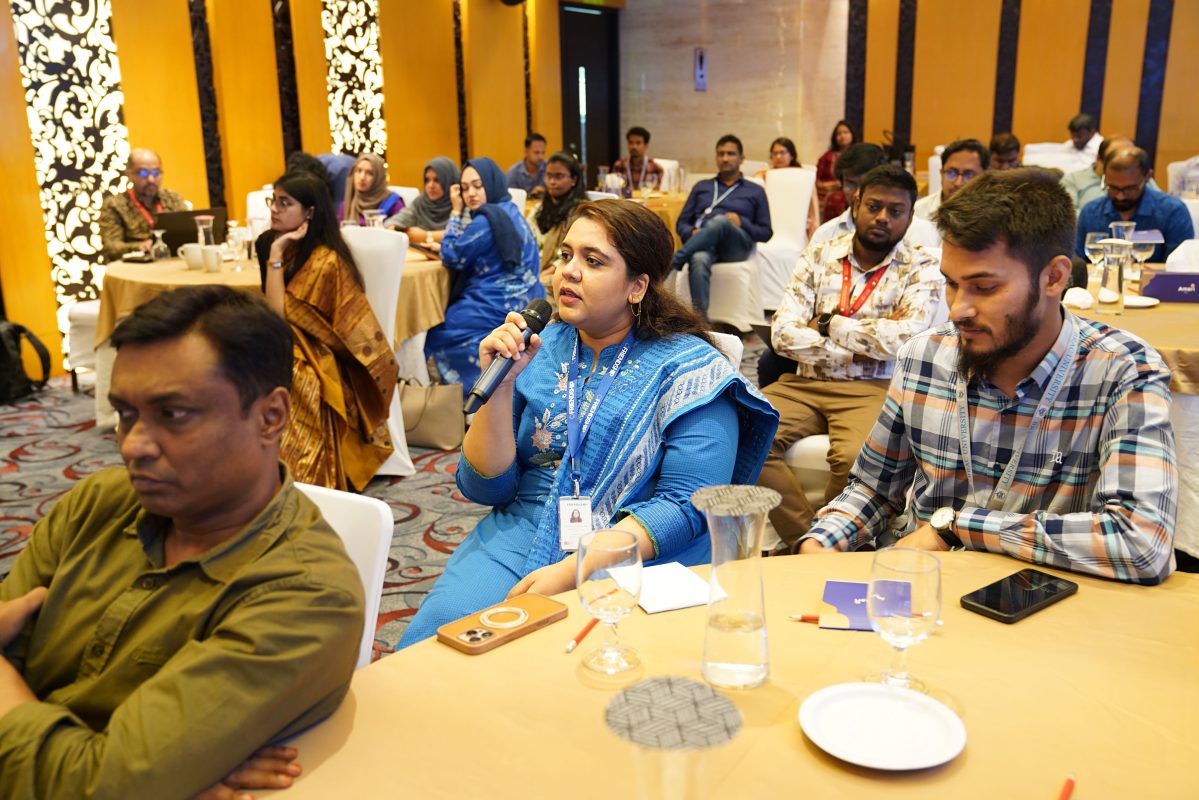
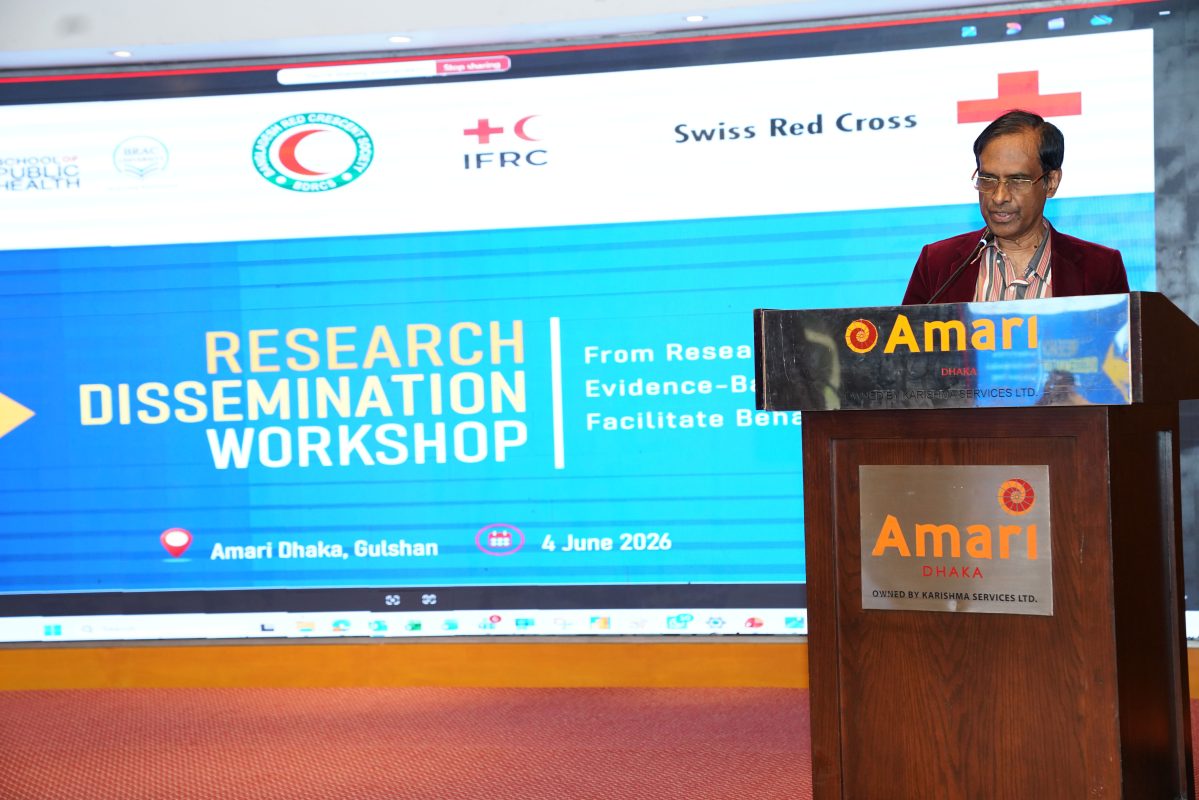
The findings were shared during a Research Dissemination Workshop titled “From Research to Practice: Evidence-Based Approaches to Facilitate Behaviour Change,” held at Hotel Amari Dhaka on Thursday. Conducted by the BRAC James P. Grant School of Public Health (JPGSPH) at BRAC University, in collaboration with the Bangladesh Red Crescent Society (BDRCS) and with support from the Swiss Red Cross (SRC), the study highlights a scalable pathway toward empowering vulnerable humanitarian populations.
The research employed a quasi-experimental before-and-after design with embedded implementation research across Camp 2-East and Camp 13. Guided by the COM-B (Capability, Opportunity, Motivation–Behaviour) framework, the study assessed shifting knowledge, attitudes, intentions, and practices regarding institutional delivery and family planning. In terms of maternal health, intervention areas demonstrated a clear surge in awareness regarding Skilled Birth Attendants, alongside a sharp decline in the traditional perception that the home is the safest place for childbirth. Consequently, the intention to deliver in health facilities remained high, yielding visible improvements in actual institutional delivery rates over the study period, while women also reported a greater voice in deciding their place of delivery.
The study also revealed positive shifts in family planning, where contraceptive use steadily increased in intervention areas despite experiencing a parallel decline in comparison areas. This upward trend was supported by improved male awareness and approval of family planning methods, alongside an overall rise in community-level advocacy. Both men and women identified Community Health Volunteers (CHVs) as their primary and most trusted source of family planning information, validating the deep impact of localized peer-led outreach.
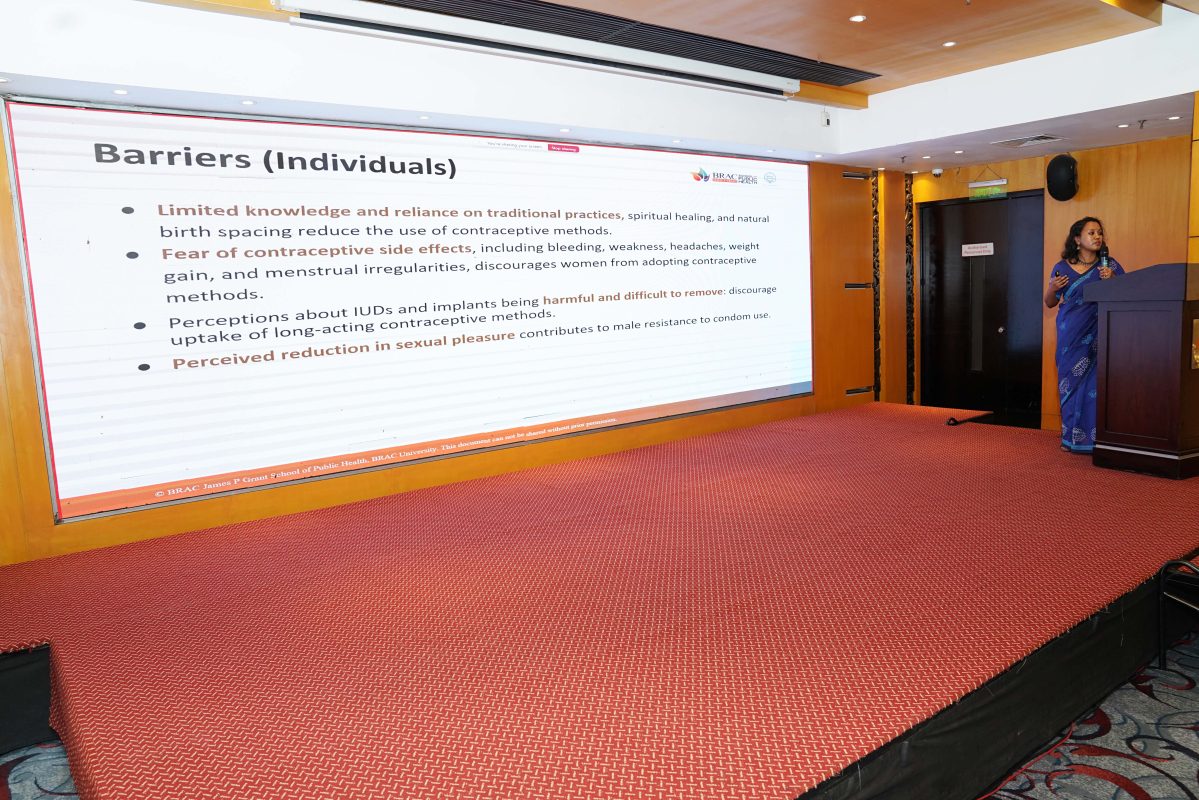
Despite these encouraging advancements, the research highlighted several ongoing socio-cultural and structural barriers that continue to impede optimal service utilization. Religious concerns remain an important factor influencing the non-use of family planning, while qualitative data pointed to deep-seated socio-cultural norms such as purdah practices, community perceptions, and apprehensions regarding exposure to male medical providers during childbirth. These are further compounded by infrastructure-related challenges, including inadequate lighting, transportation constraints, overcrowded facilities, medicine shortages, language barriers, and provider attitudes.
To navigate these persistent hurdles, the study identified Community Health Volunteers and religious leaders as vital catalysts for positive behavioral change. Tailored community engagement initiatives involving husbands, imams, and local leaders—complemented by regular household visits, the distribution of maternal support packages (Mama Kits), community transport arrangements for pregnant women, and the sharing of positive facility-based birth experiences—served as crucial facilitators of change.
In his official welcoming address, the Secretary General of the BDRCS Dr. Kabir M. Ashraf Alam, ndc emphasized the intricate social fabric dictating healthcare in crisis settings. He noted that health-seeking behavior in humanitarian environments is shaped by a complex combination of social norms, cultural beliefs, religious perspectives, family dynamics, trust, and access-related challenges. He firmly stated that BDRCS remains committed to promoting evidence-based programming and learning directly from communities, asserting that research must not simply remain on paper but should actively inform decisions, optimize programs, and contribute to better real-world outcomes for the people they serve.
Paul Drossou, Country Representative of the Swiss Red Cross in Bangladesh, reinforced the strength of this approach, noting that applying the COM-B model in Rohingya camps shows that when capability, opportunity, and motivation are strengthened together, barriers can be transformed into pathways of empowerment and resilience.
The workshop concluded with a collective acknowledgment that the insights generated go far beyond the health sector. Speakers said that behavioral insights from this framework offer a sustainable model for future programming across multiple humanitarian sectors, including handwashing and hygiene in WASH programs, disaster risk reduction, climate resilience, nutrition, and community participation in social protection initiatives, proving that understanding human behavior remains at the absolute center of programmatic success.
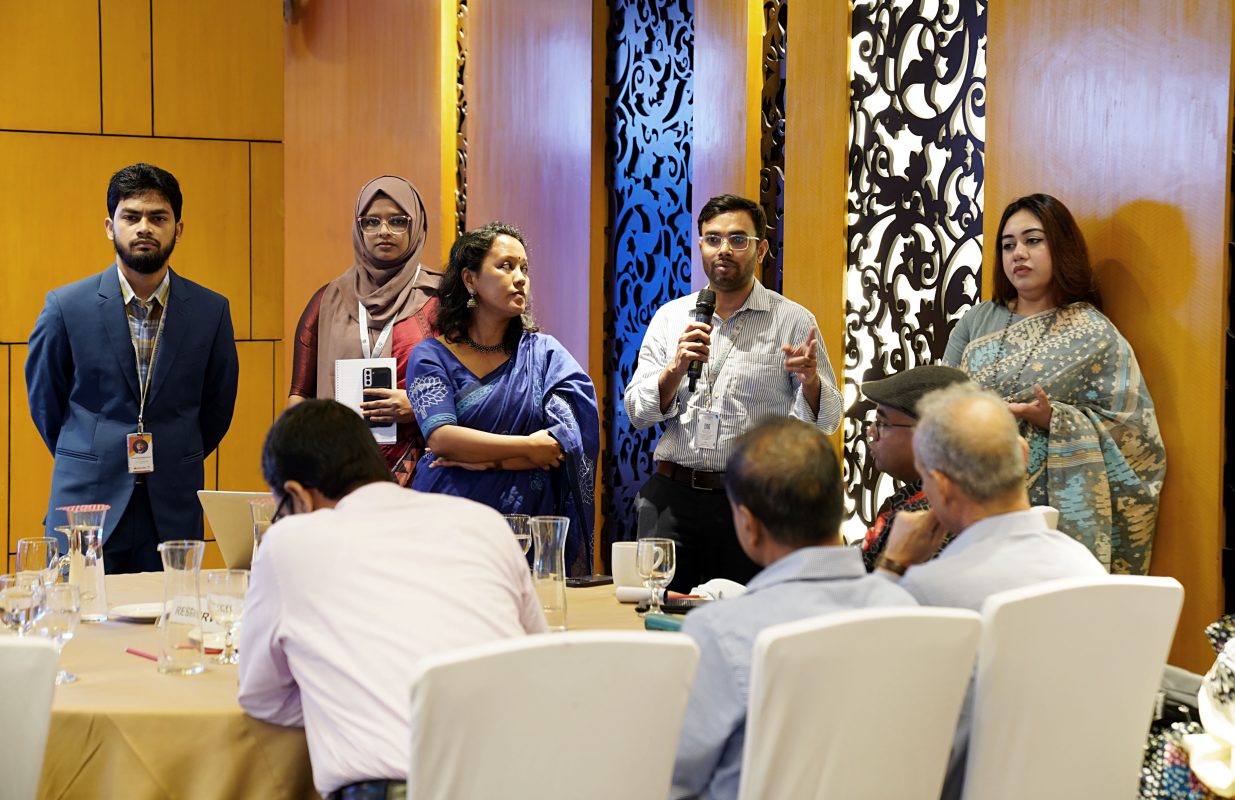
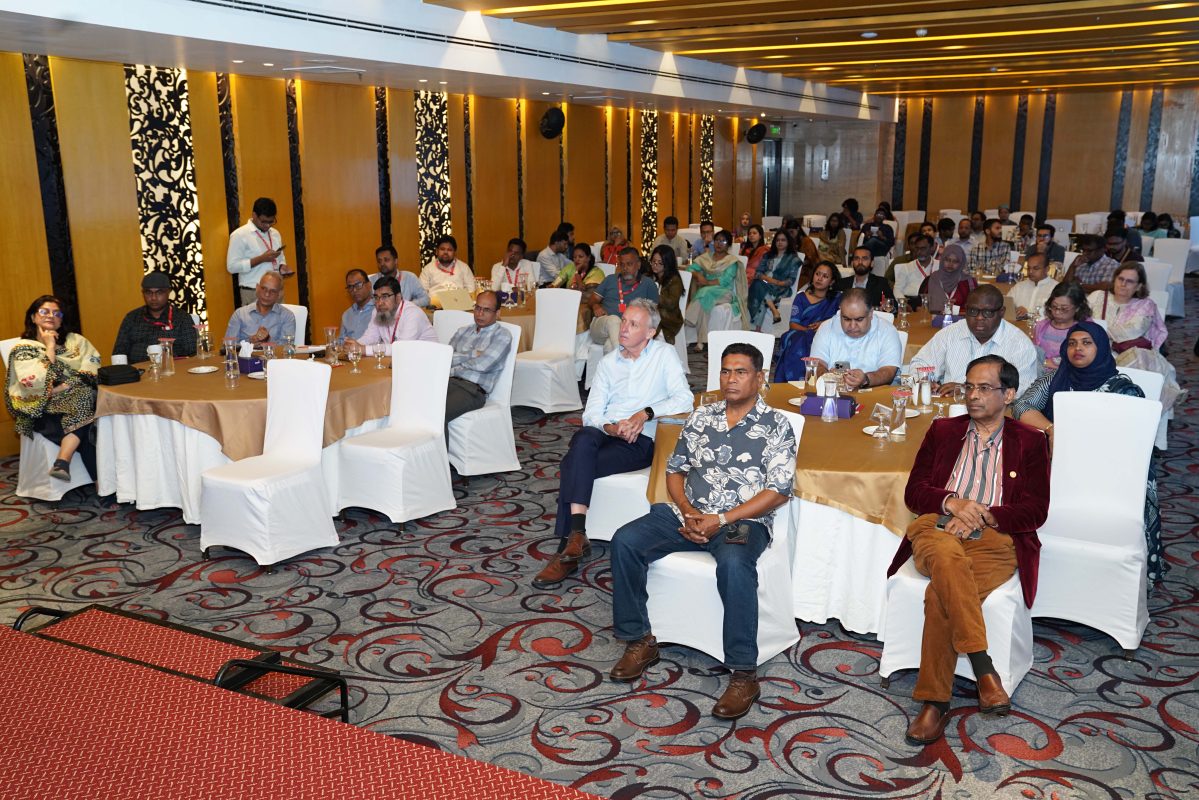
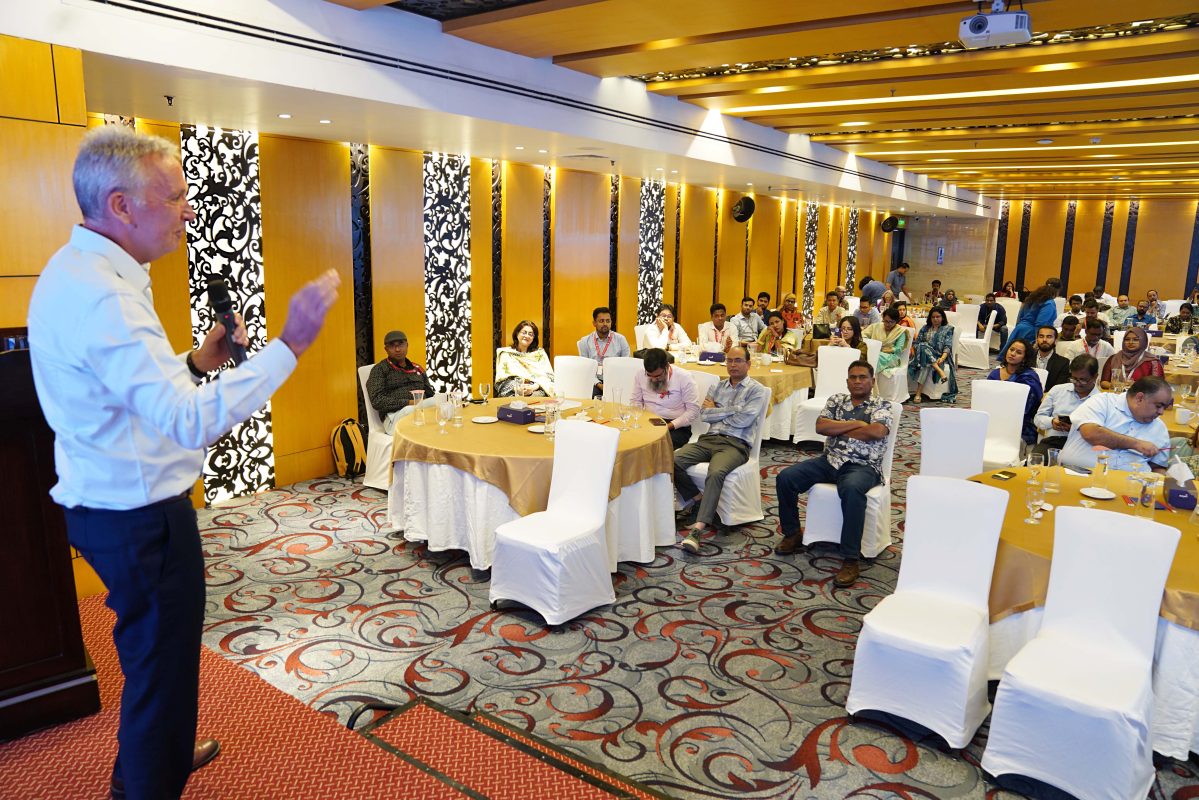
Generous funding for this research and the dissemination event was provided by the Stanley Johnson Foundation. The event brought together distinguished representatives from government agencies, development partners, humanitarian organizations, the Red Cross Red Crescent Movement, and various academic and technical institutions. Those present at the event included Major Reza Ahmed Chowdhury, PSC, CPP (Retd.), Deputy Secretary General of BDRCS; Joynal Abedin, Director, Disaster Response and HR (Additional); Akram Ali Khan, Director, Head of Operations-PMO; Md. Rezaul Karim, Director, Disaster and Climate Risk Management; Areefa Mehera Sinha, Director, IR & Communication and Fund Raising (Additional); and Professor Brigadier General Dr. S M Humayun Kabir (Retd.).