
The Bangladesh Red Crescent Society will provide one-time cash assistance of Tk 10,000 each to 2,500 vulnerable dengue-affected households as part of a six-month response targeting about 300,000 people.
Supported by the International Federation of Red Cross and Red Crescent Societies’ Disaster Response Emergency Fund, the initiative comes amid a sharp rise in dengue cases across the country, said a press release on Thursday.
The cash assistance will target families facing hospitalisation, loss of income and increased healthcare expenses, said the release.
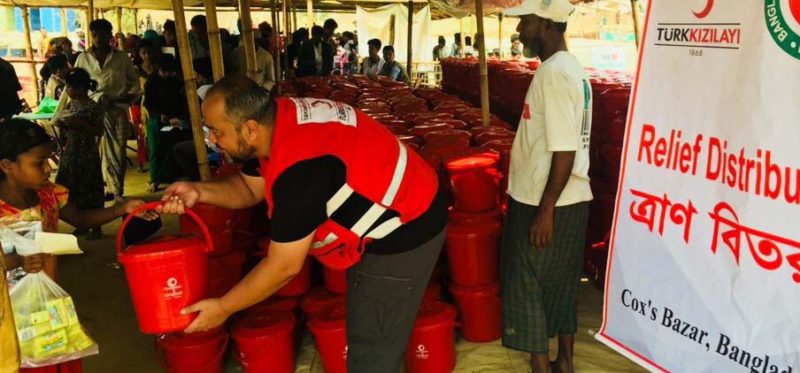
The response will focus on Dhaka, Khulna, Barishal and Chattogram, including camps for displaced people from Rakhine State of Myanmar and host communities in Cox’s Bazar. Other affected areas may also be included depending on the situation.
According to Directorate General of Health Services data, 67,367 dengue patients had been hospitalised and 201 deaths recorded until September 23. During the corresponding period in 2025, more than 43,173 patients were hospitalised and 184 died.
‘This is a rapidly evolving public health situation, and our volunteers and teams are already supporting communities and coordinating closely with health authorities,’ BDRCS secretary general Md Habibur Rahman Khan said.
‘With support from the IFRC and partners, we are strengthening these efforts to reach more people in high-risk areas and help families cope with the health and economic impacts of dengue,’ he added.
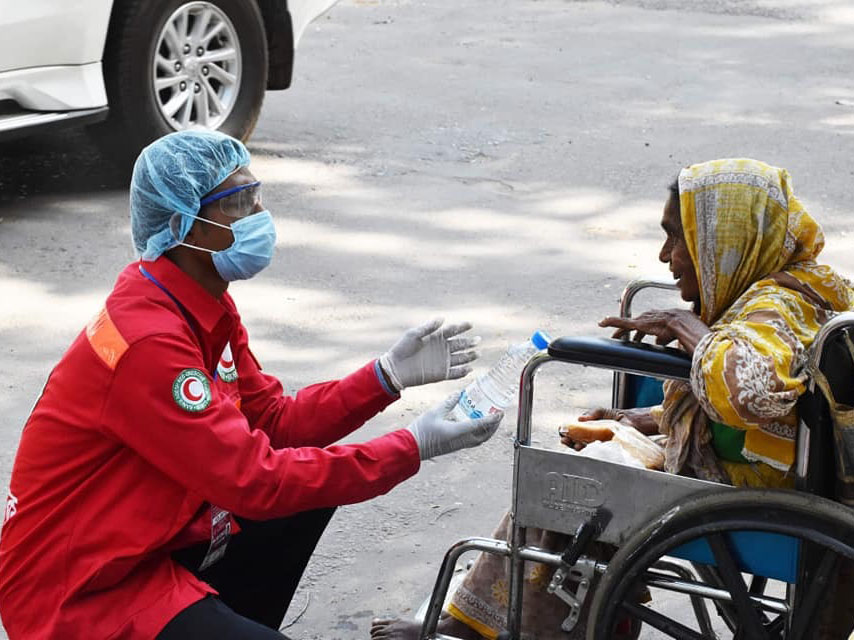
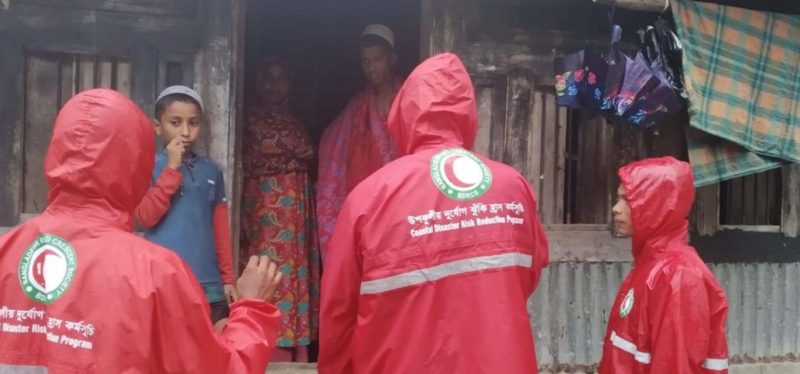
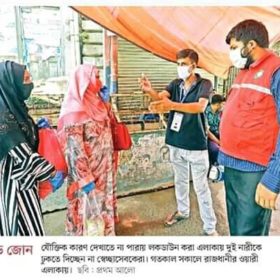
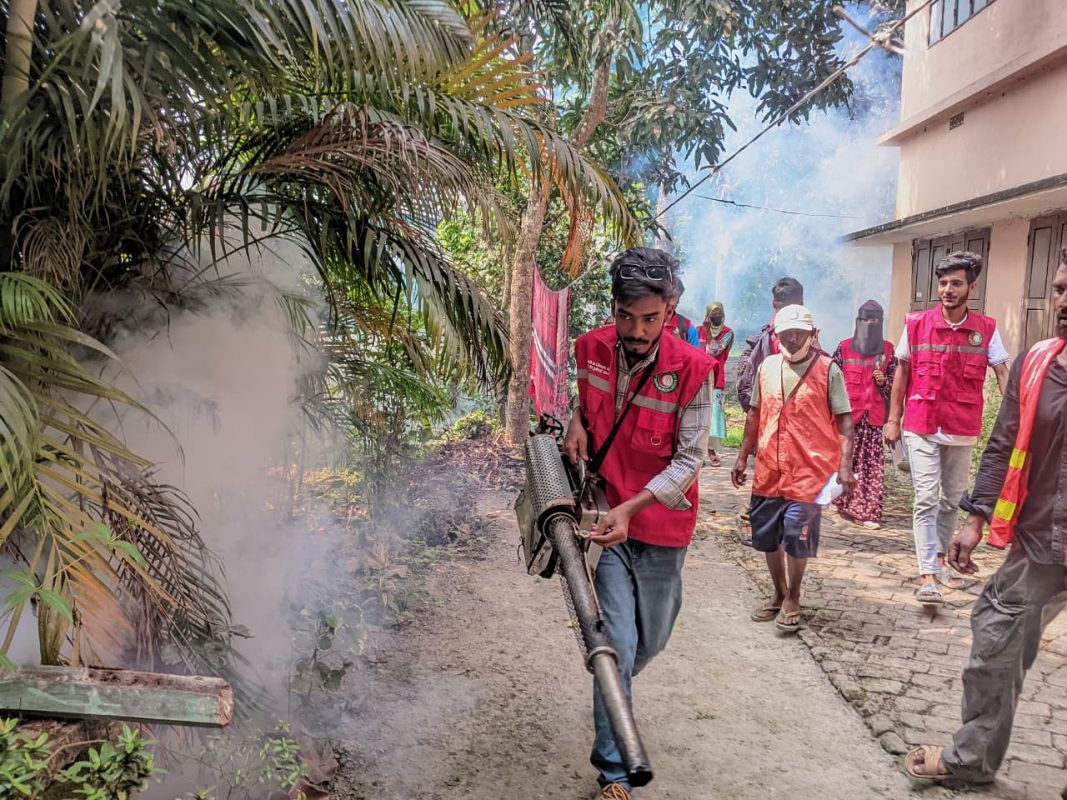
The BDRCS will mobilise 1,000 Red Crescent volunteers for dengue prevention awareness, household-level health promotion and community clean-up activities. It will also orient 150 health professionals on the updated national dengue treatment guideline.
Meanwhile, the IFRC has contributed 38,000 NS1 dengue test kits to the DGHS and 50 apheresis kits to the BDRCS Dhaka Blood Centre through its existing programmes.
‘Dengue is placing growing pressure on families, communities and health services across Bangladesh,’ said Seval Guzelkilinc, head of delegation of the IFRC in Bangladesh.
She said preventing infections required awareness, early action and efforts to reduce mosquito breeding sites.