
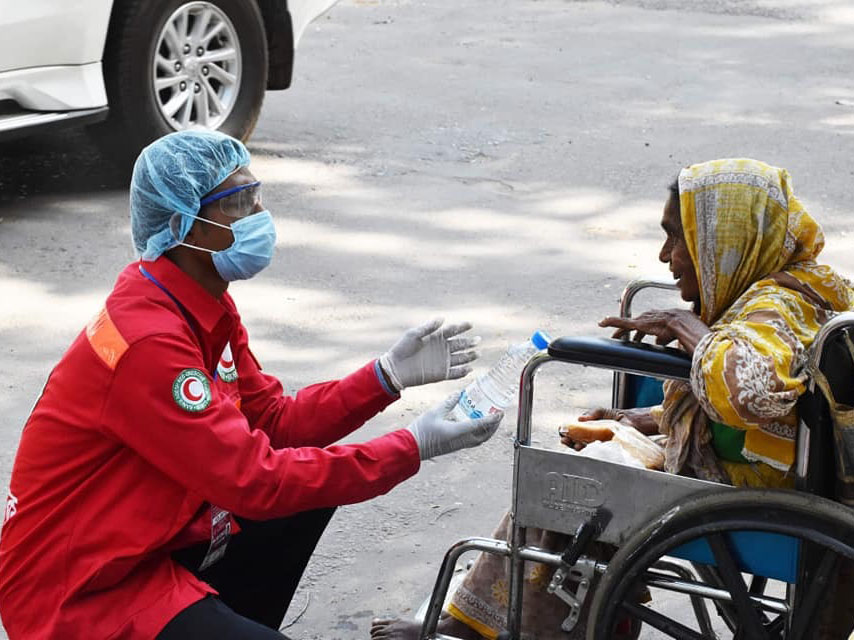
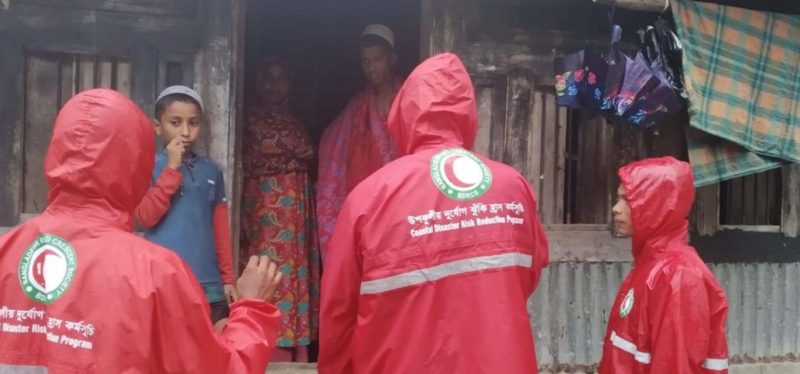
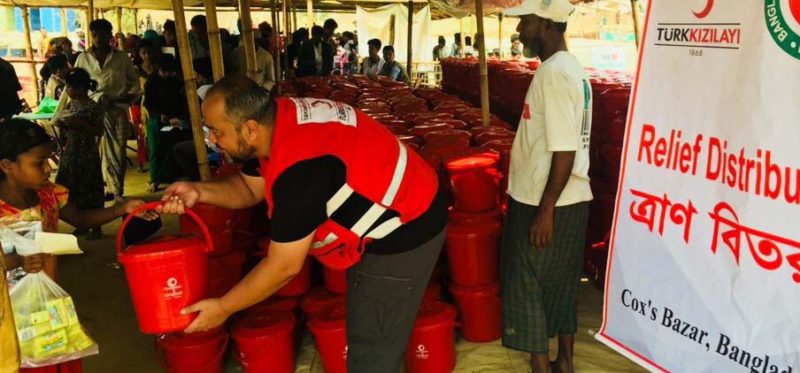
The overall situation in Cox’s Bazar remains protracted and resource-constrained, with significant funding gaps, precarious living conditions for new arrivals due to the lack of allocated land, continued exposure to landslide risks, and uncertain prospects for voluntary repatriation amid ongoing insecurity in Rakhine State. Planning for the 2027 and 2028 Joint Response Plans (JRP) is underway, with a focus on maintaining lifesaving assistance while strengthening links to longer-term development approaches. In early July 2026, heavy monsoon rainfall linked to a Bay of Bengal depression caused fatalities, injuries, displacement, and widespread damage in Cox’s Bazar camps and host communities. In response, IFRC launched a CHF 475,000 Disaster Relief Emergency Fund (DREF) operation to provide multi-sector humanitarian assistance.
The Revised Emergency Appeal’s Operation Strategy for Jan 2025-Dec 2027 period, guides the operation by:
• improving the resilience of the target people through a holistic approach and integration of various programs through a risk reduction lens.
• facilitating preparedness for effective response, strengthening the BDRCS’s capacity to mitigate, anticipate, prepare, and respond to evolving crises for both camps and host communities.
• enhancing humanitarian diplomacy by strengthening the BDRCS’s position in advocacy with its key stakeholders for upholding the fundamental principles and improving protection and security.
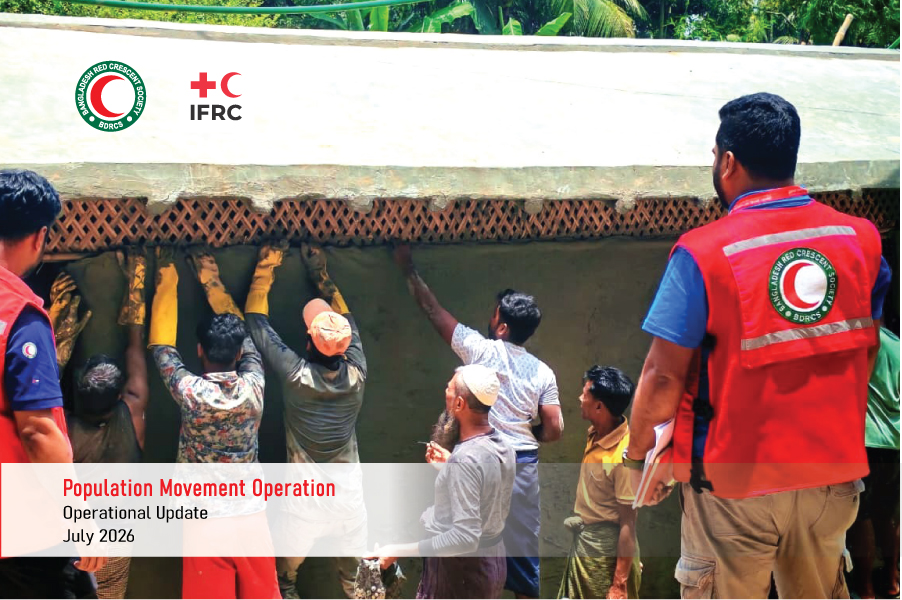
In coordination with the respective sector groups, led by the Rohingya Coordination Team (RCT) and Government of Bangladesh (GoB) counterparts, BDRCS continues to provide humanitarian assistance in camps and host communities spanning Shelter, Health, DRR, Livelihoods, protection, gender inclusion, and community engagement and accountability.